5 Portfolio Tips from the NYSID Admissions Team
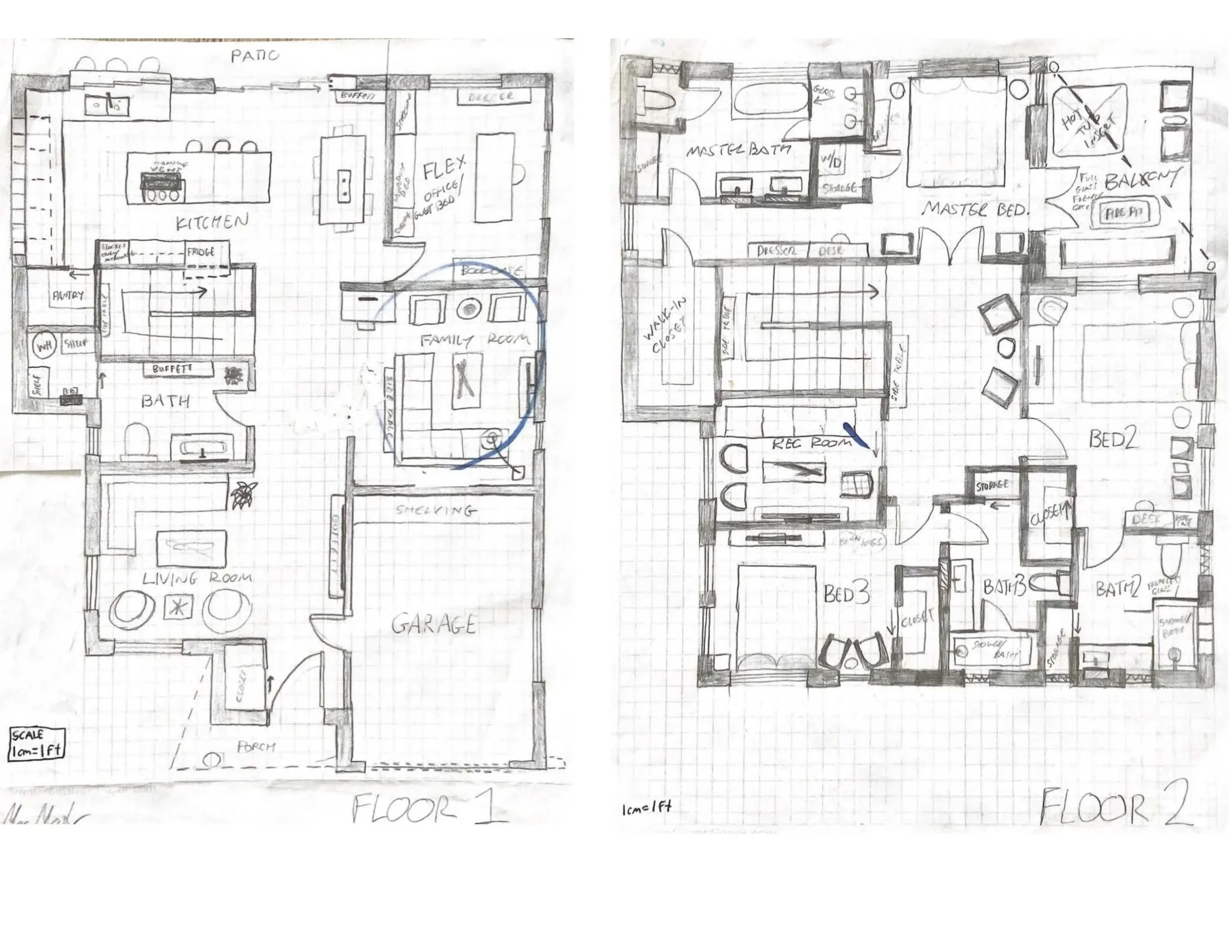
Rendering of design portfolio by Mac Meeter (AAS)
Crafting an application for any higher education program can be daunting, especially when a portfolio is required. In the interior design industry, a portfolio can showcase who you are as a designer and the eye you have when creating your work. Portfolios vary depending on your previous experience, or lack thereof, in art and design. The beauty of the New York School of Interior Design (NYSID) is that the college has programs for students at every way along their interior design journey. We spoke with our admissions team to provide some tips for when you are completing your application. Scroll further down are two current student portfolios, first-year, Valeriia Shcherbyna (BFA), and senior, Mac Meeter (AAS), from their applications.
Tip 1: Showcase Your Fine Art Skills
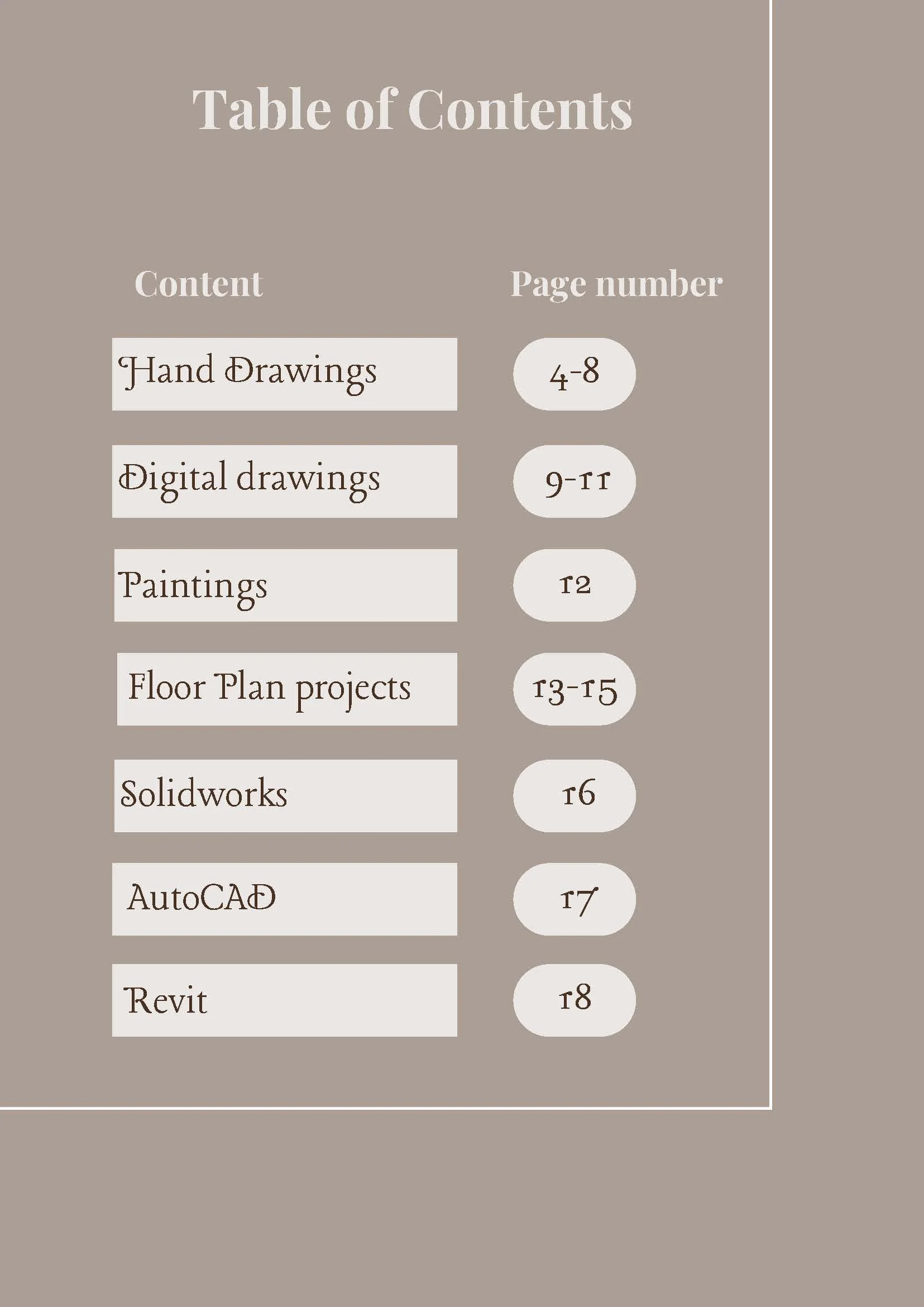
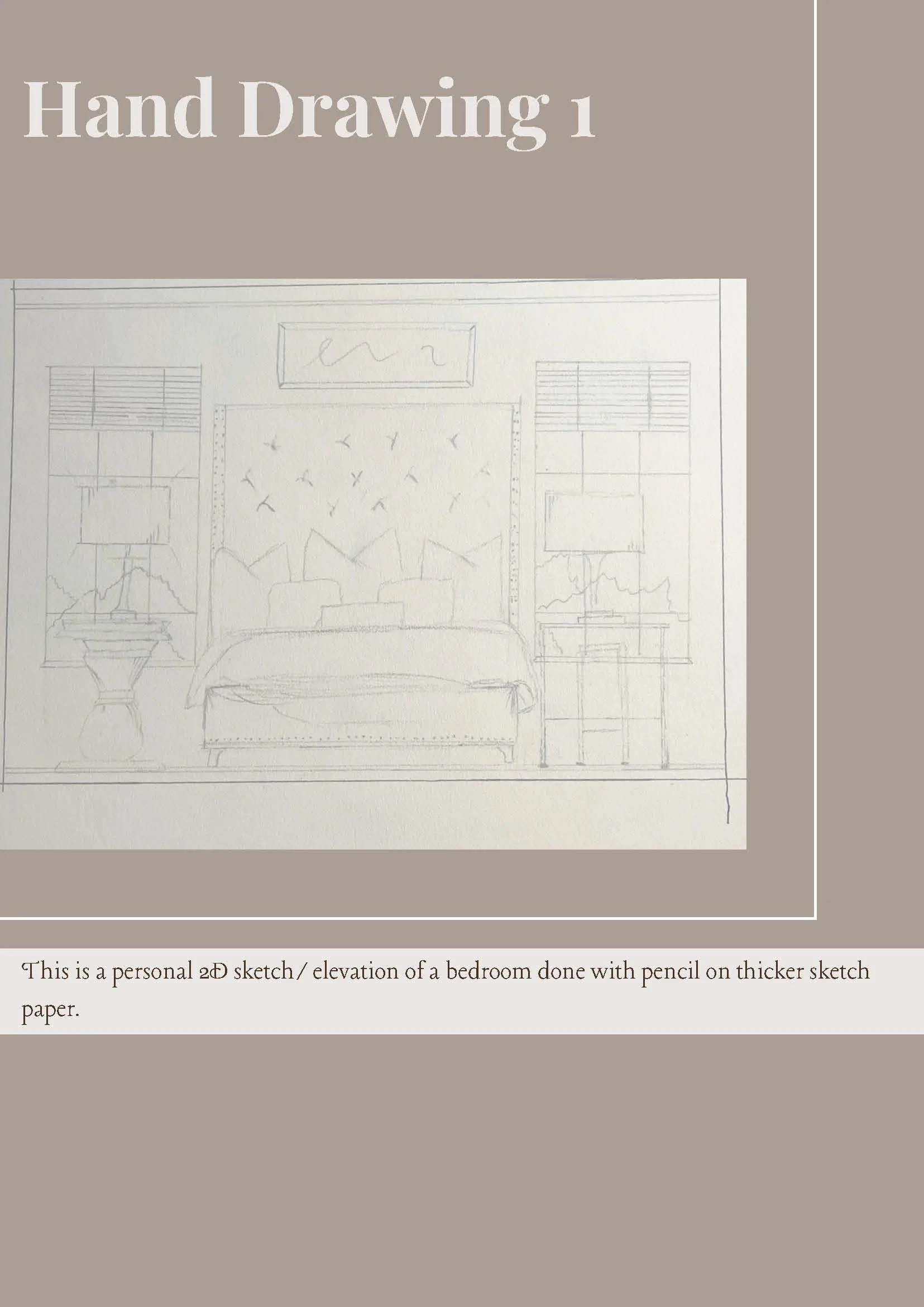
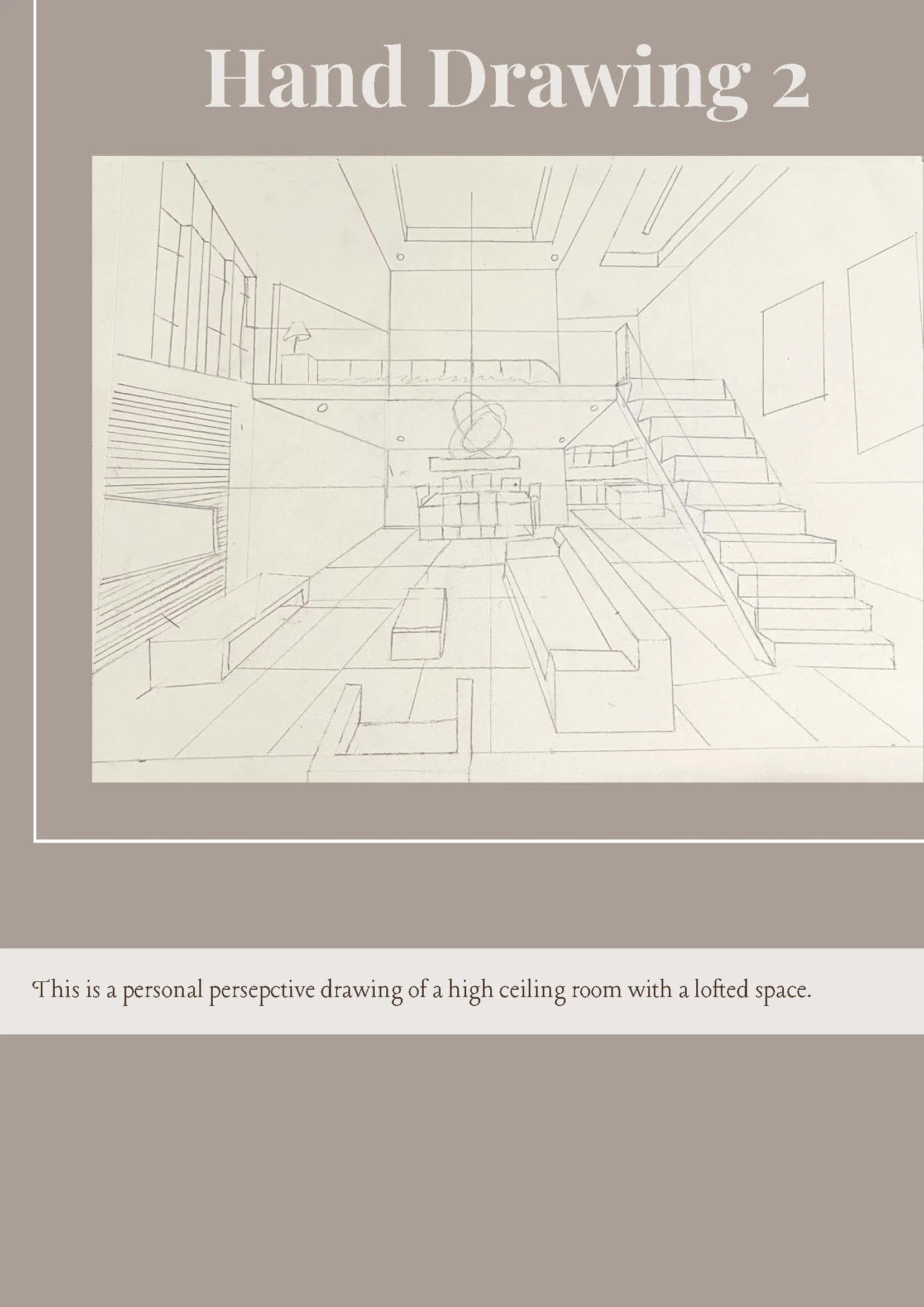
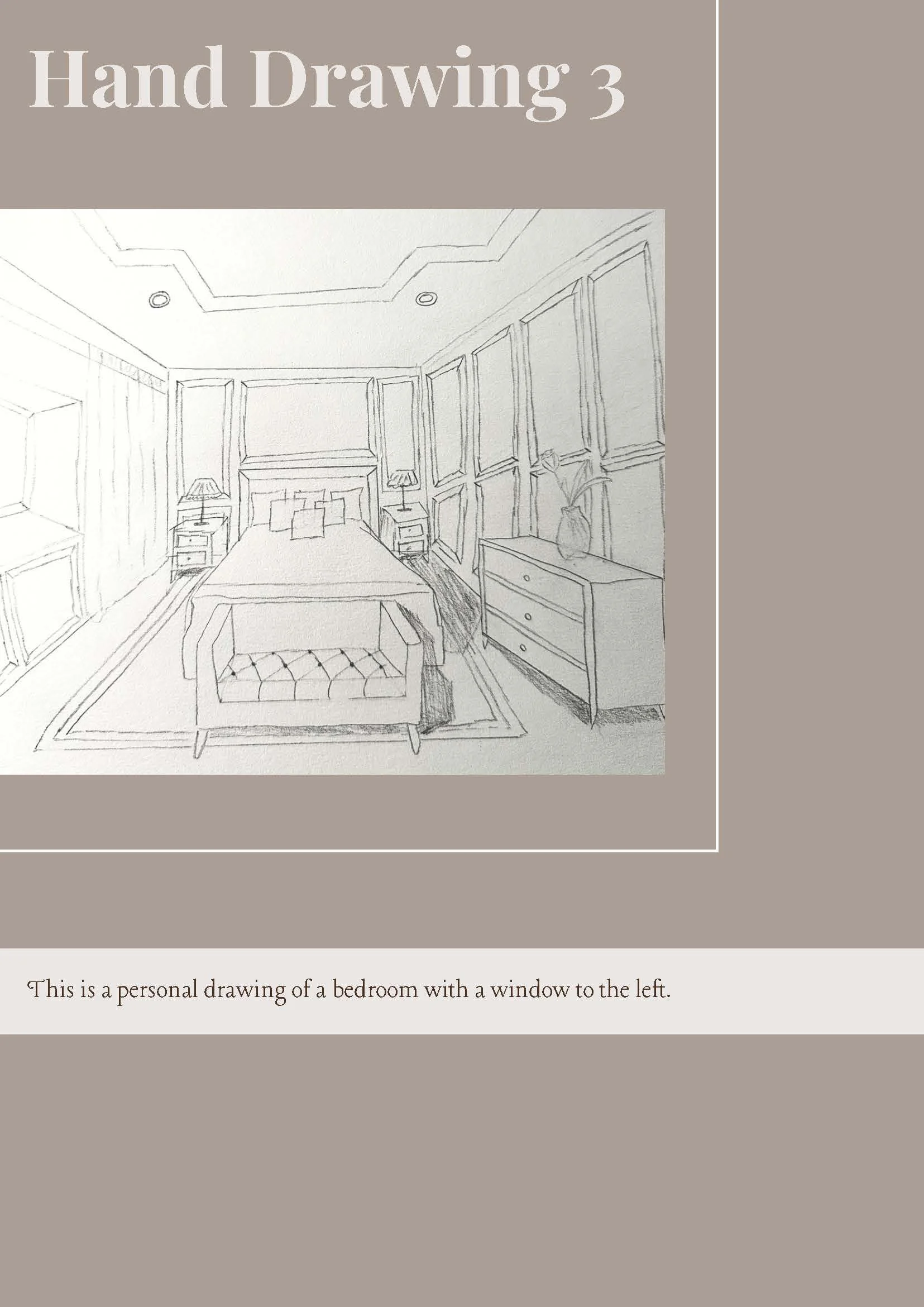
The most important part of your portfolio is showcasing your skills, but they should be specific. Associate Dean Daniel Harper, and Director of Admissions Emmanuel Cruz, both agree that technical skills need to be clear and evident within selections for your portfolio. Skills like drawing hand-to-paper, use of color, perspective, and craftsmanship create an understanding of your capabilities and help admissions determine which program fits best for you. A strong way to showcase your skill is through observational sketches, 2D or 3D, and these can include incomplete drawings or sketches from high school. NYSID wants to see what you see in the world of fine arts but make sure you’re showcasing your skills over your aesthetics. For example, try to stay away from pictures of a space you redesigned and instead, draw a sketch of that same space. You can see this in both student examples as they show us their hand drawing and observational skills by drawing what they see.
Tip 2: Consider Your Passions and Present Them Well
When crafting your application, think of each piece as a way to tell the story of who you are as a person – the portfolio is the story of you as a designer. What makes you want to become an interior designer? How is your point-of-view different from other designers? Show us what you want to learn and accomplish while you’re here at NYSID. Your portfolio should communicate a narrative and your goal should be to present your story and interests in the best way possible. Consider the selection of works, their layout, color, and additional commentary to include context. In Valeriia’s portfolio, you can see that she gave a brief introduction of who she is before her works and provided context for each. Mac did the same in his by identifying the medium used and having a color story throughout his entire portfolio. Don’t let the level of other people’s work discourage you and make you think you need a complex website or Adobe presentation to be admitted to NYSID. On the contrary, our Admissions team just wants to see thought and care put into your portfolio. So, take the time to make sure images are straight, cropped nicely, and have the necessary details.
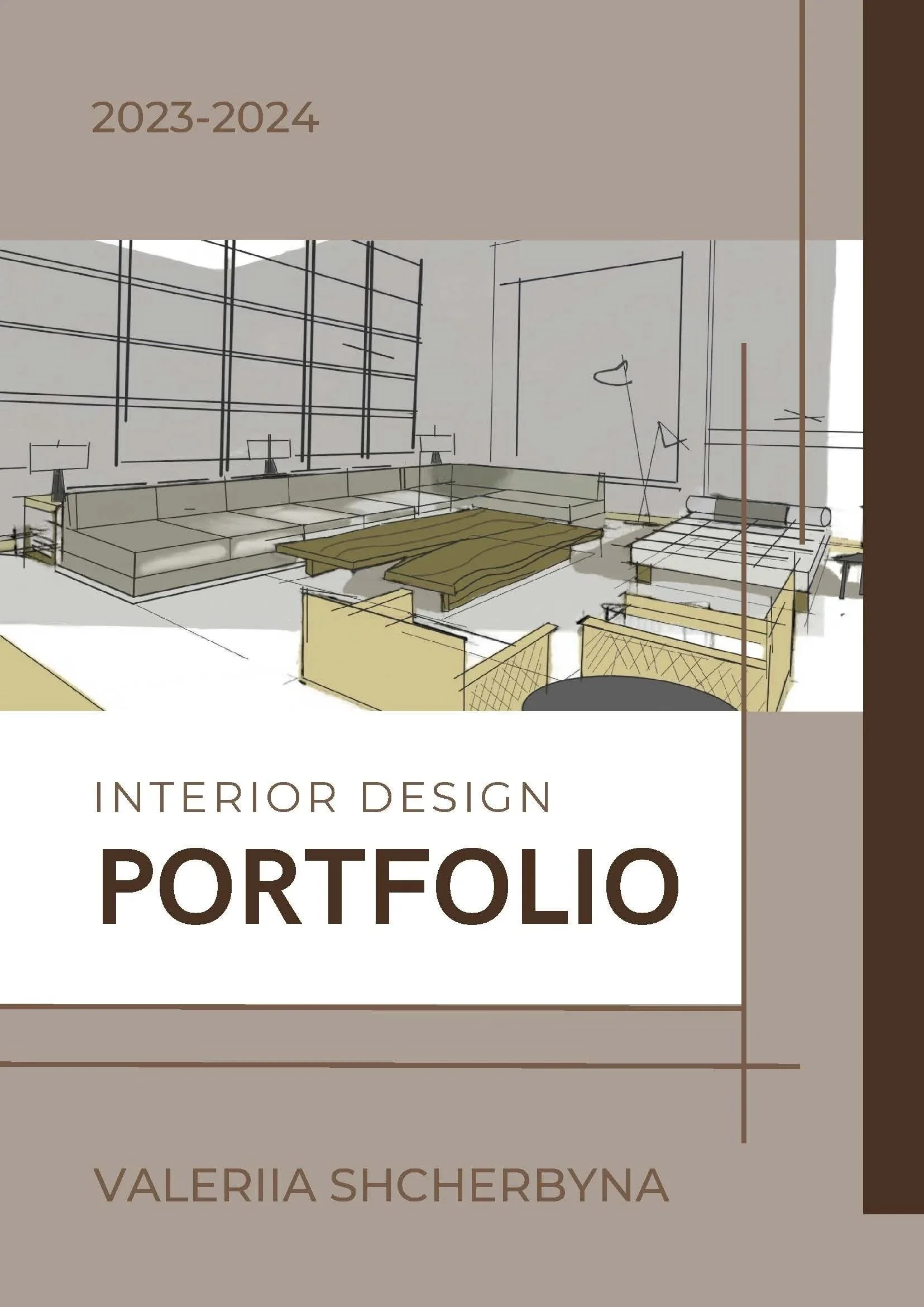
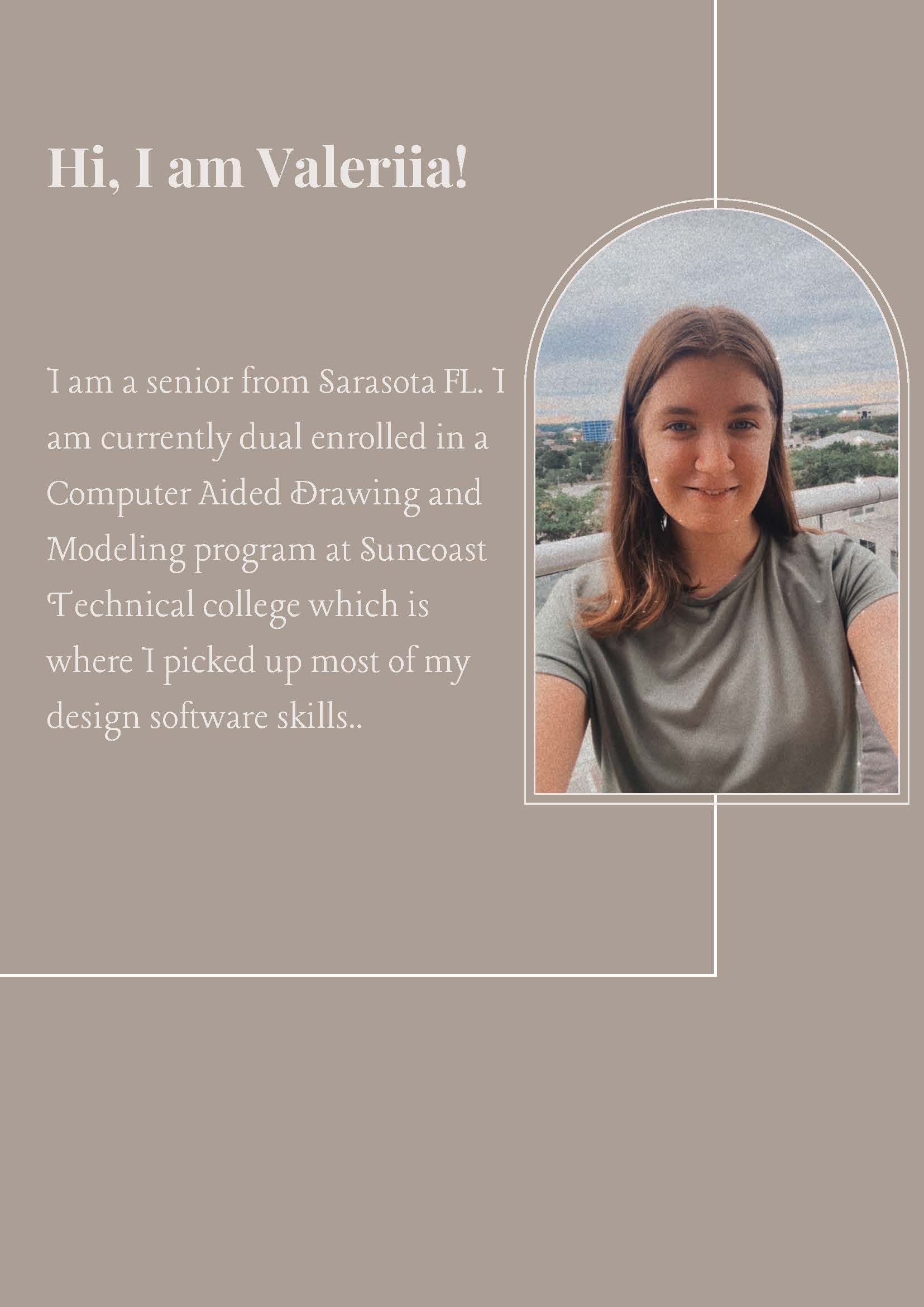
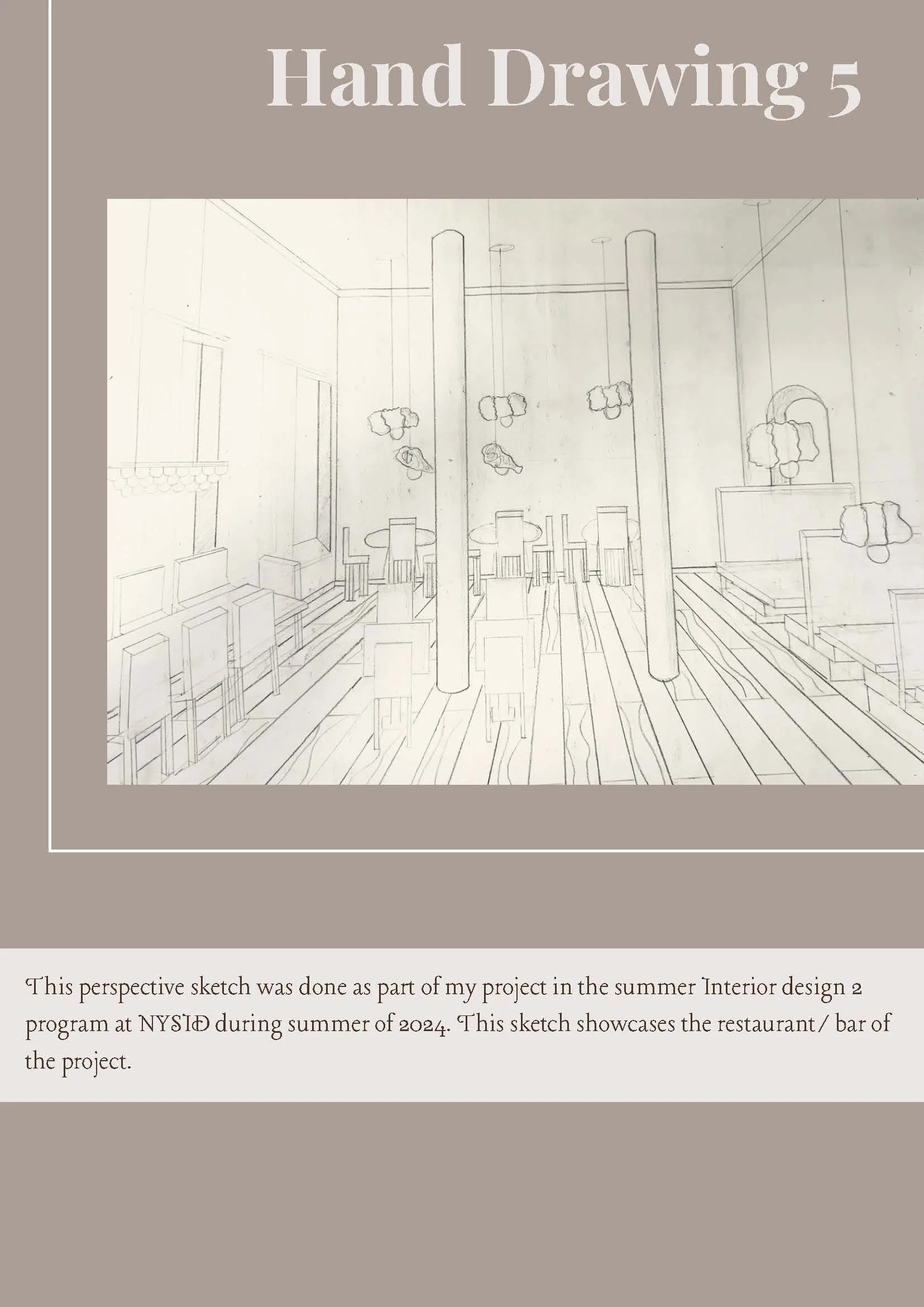
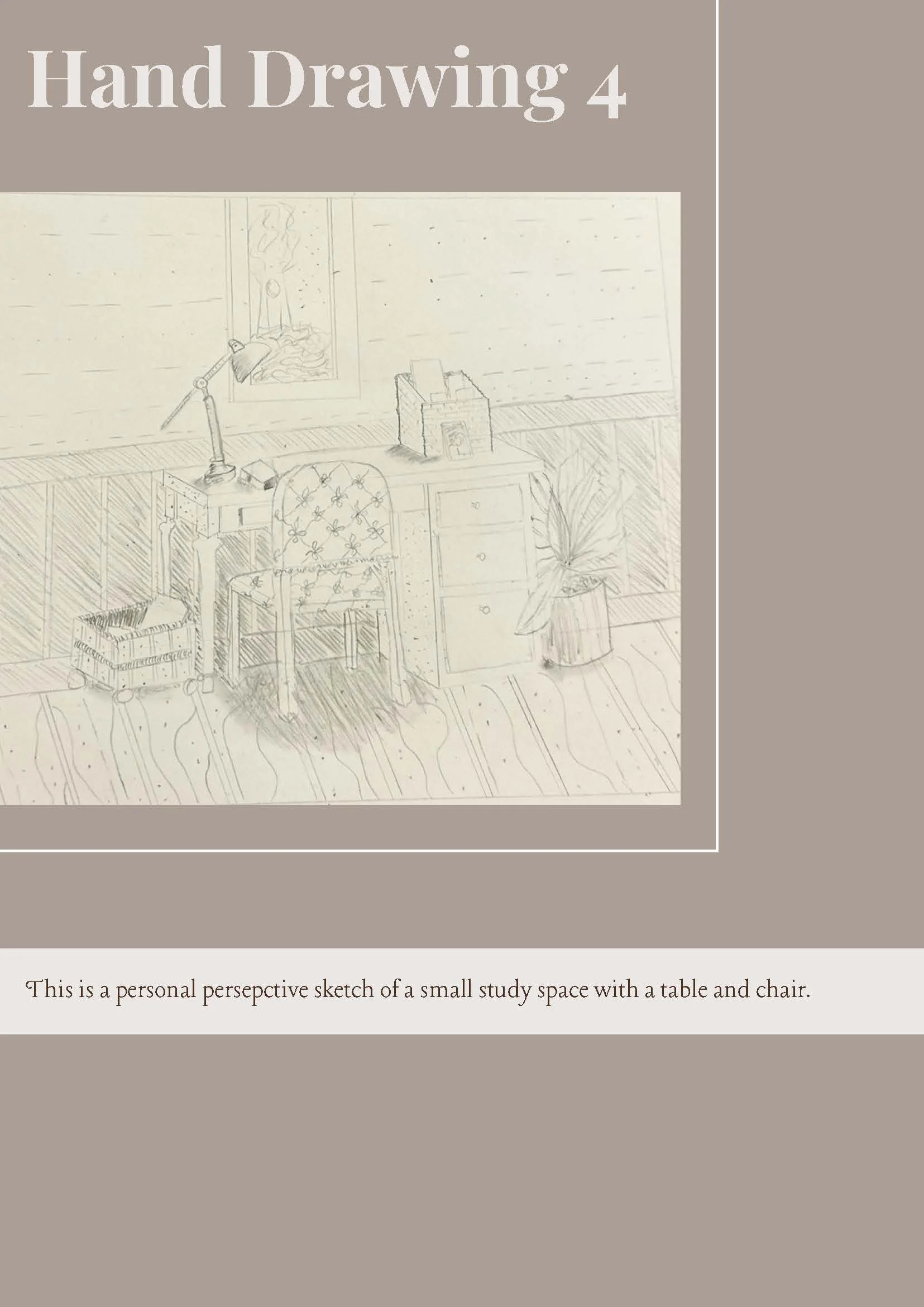
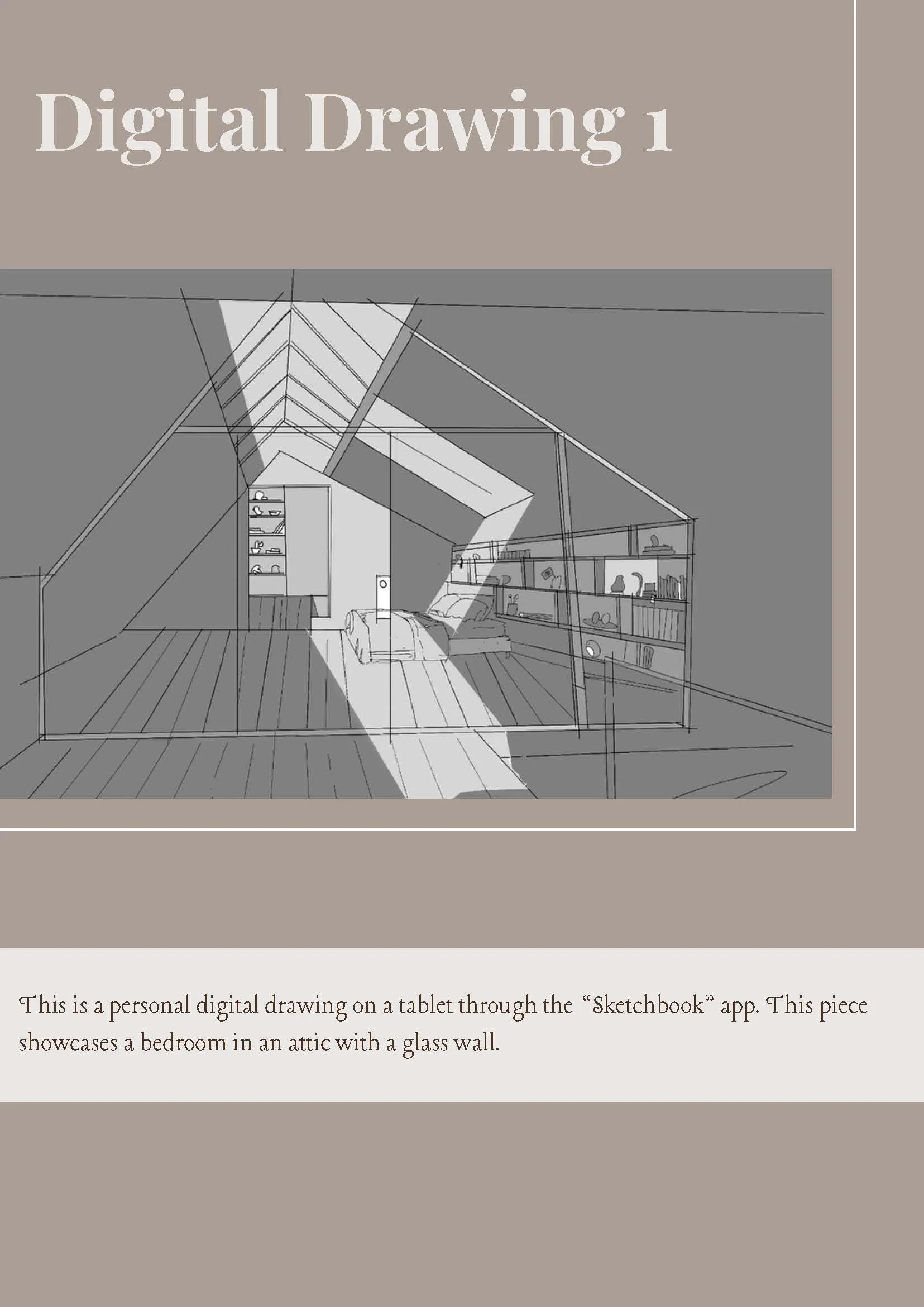
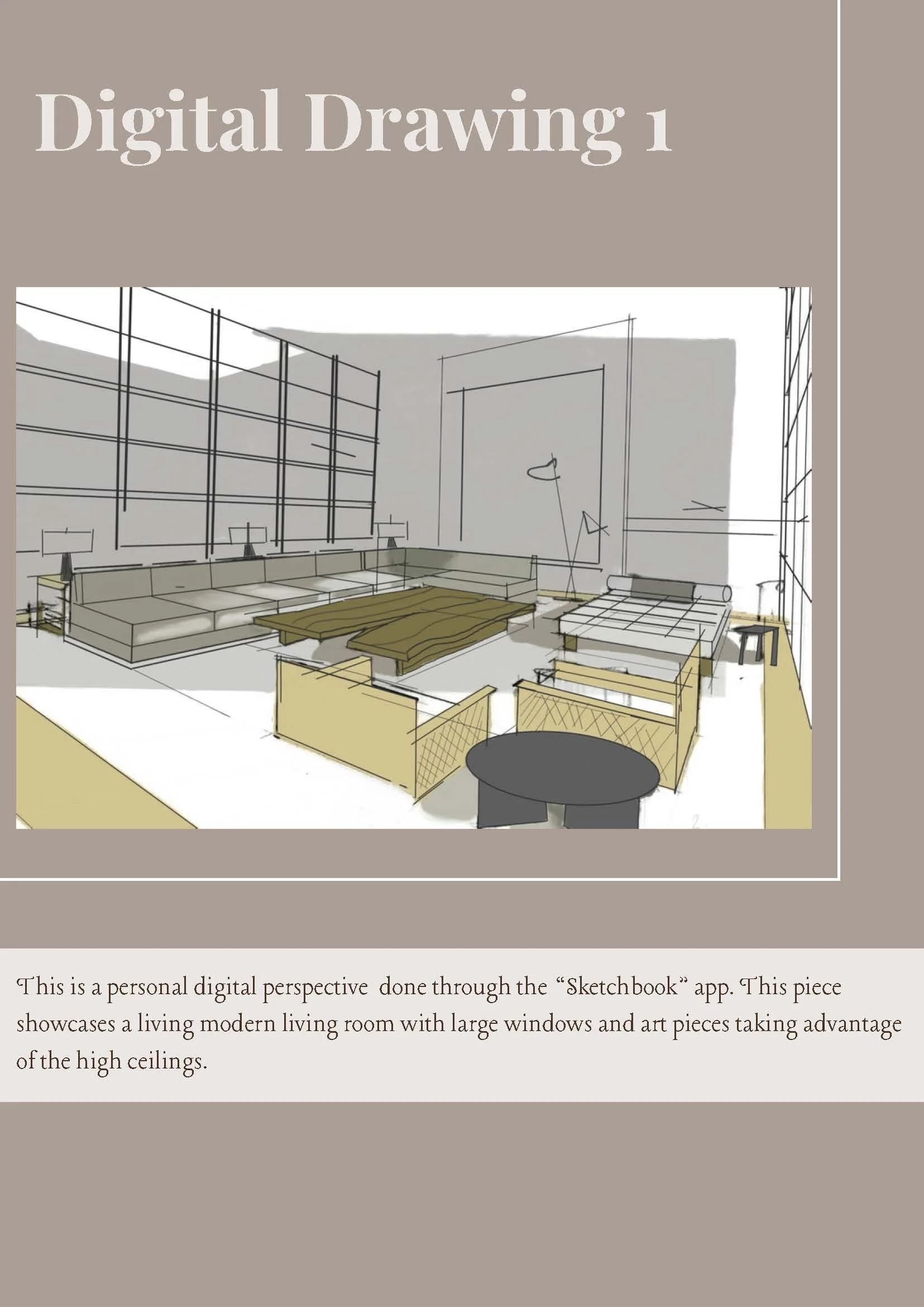
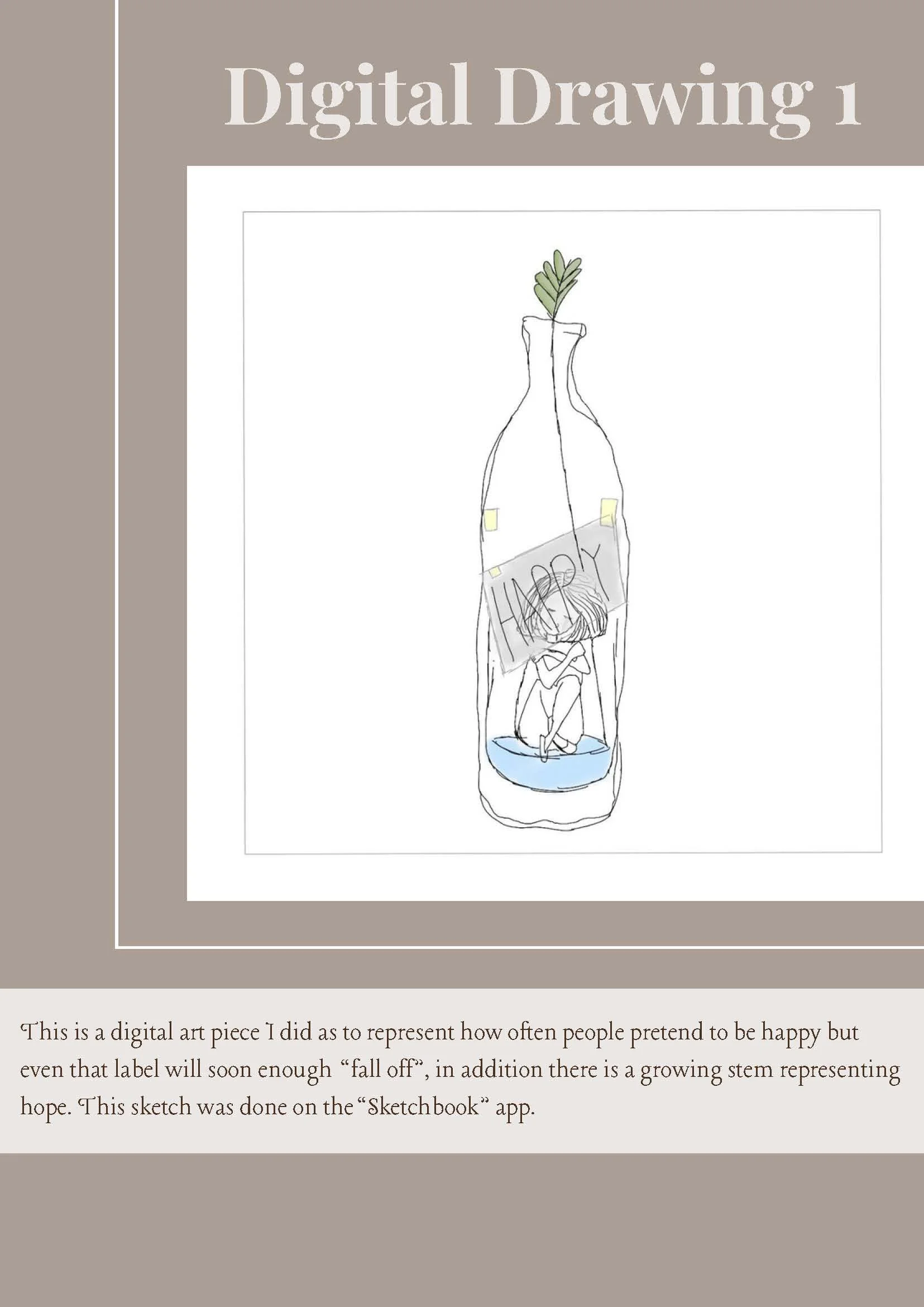

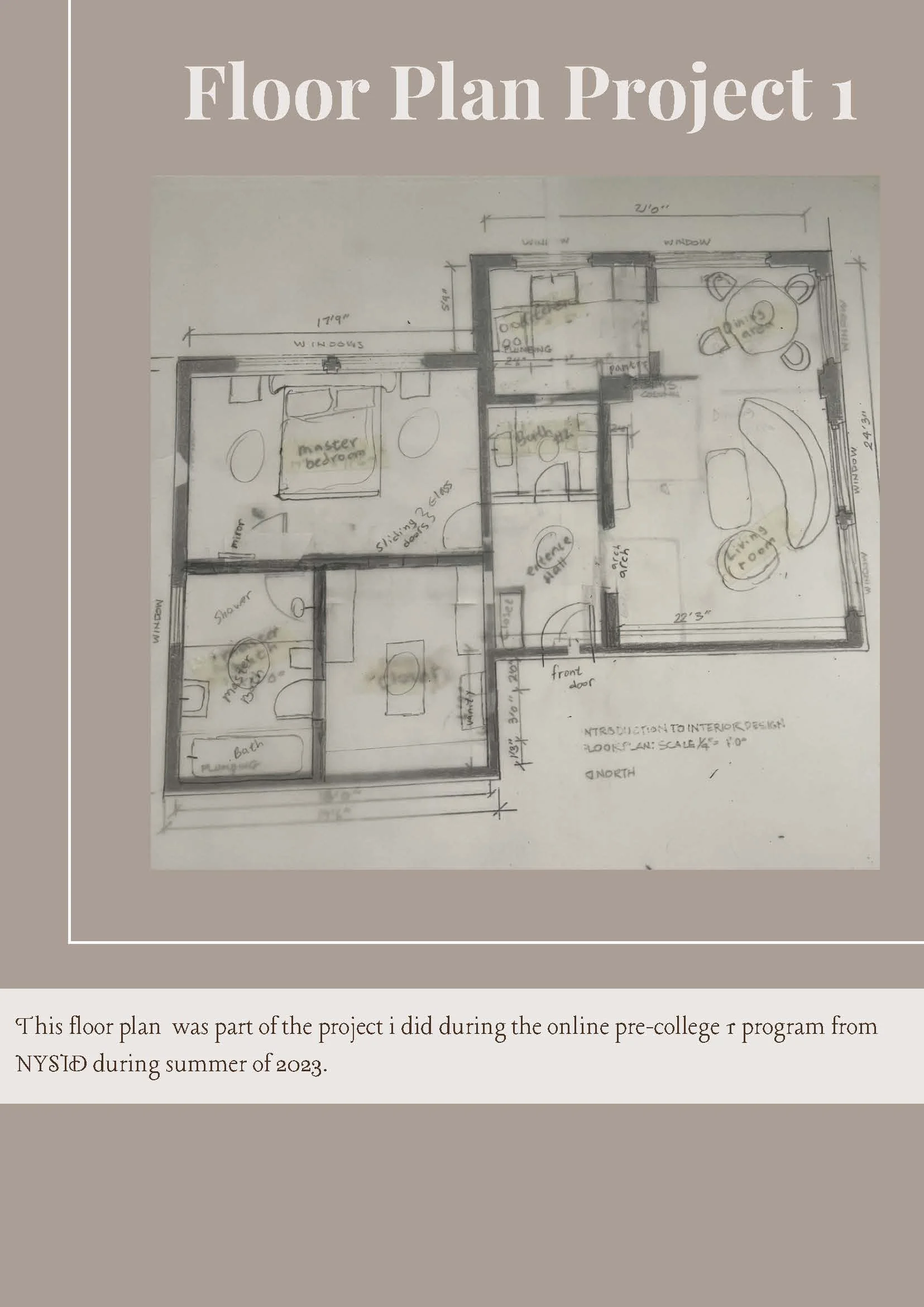
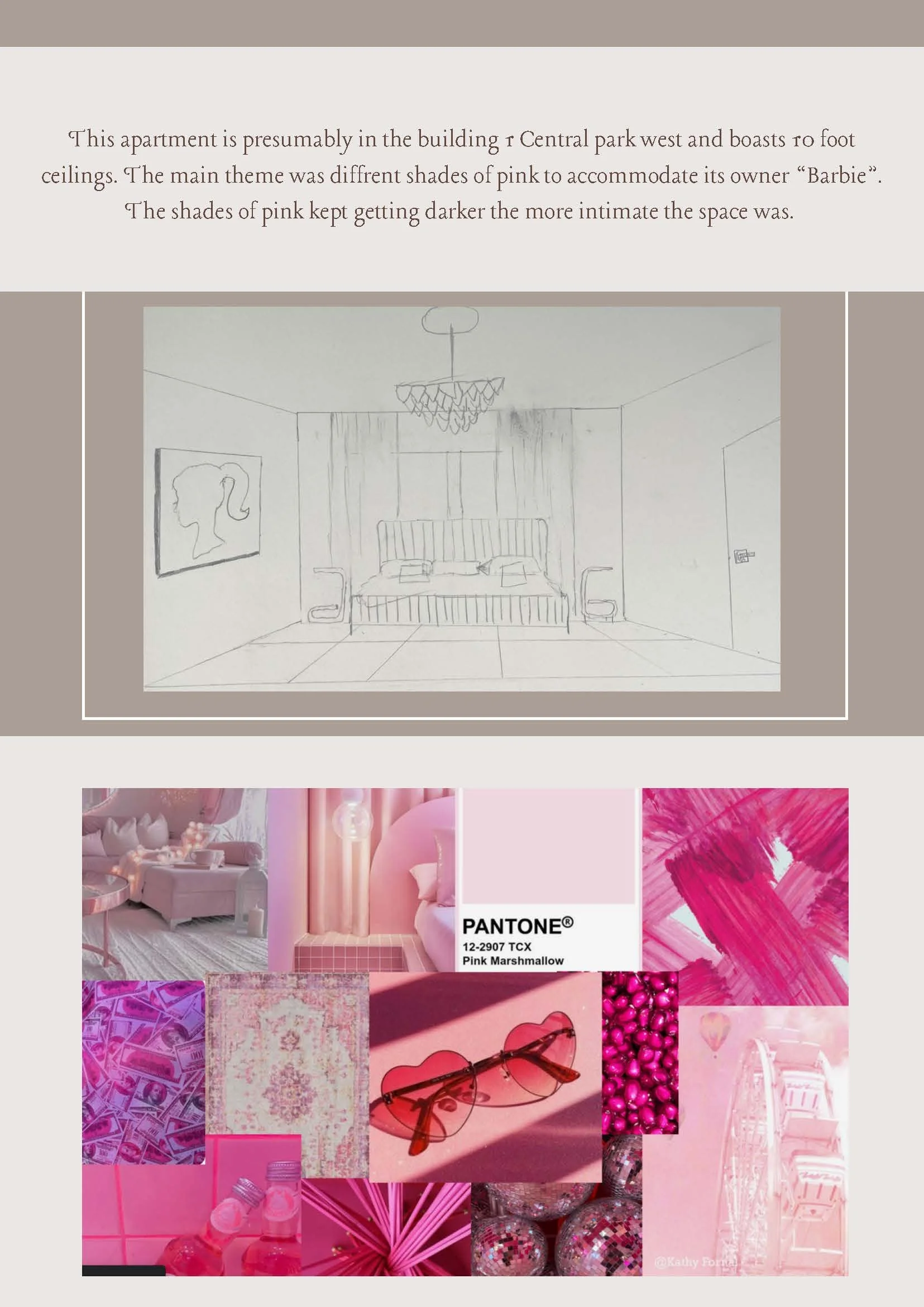
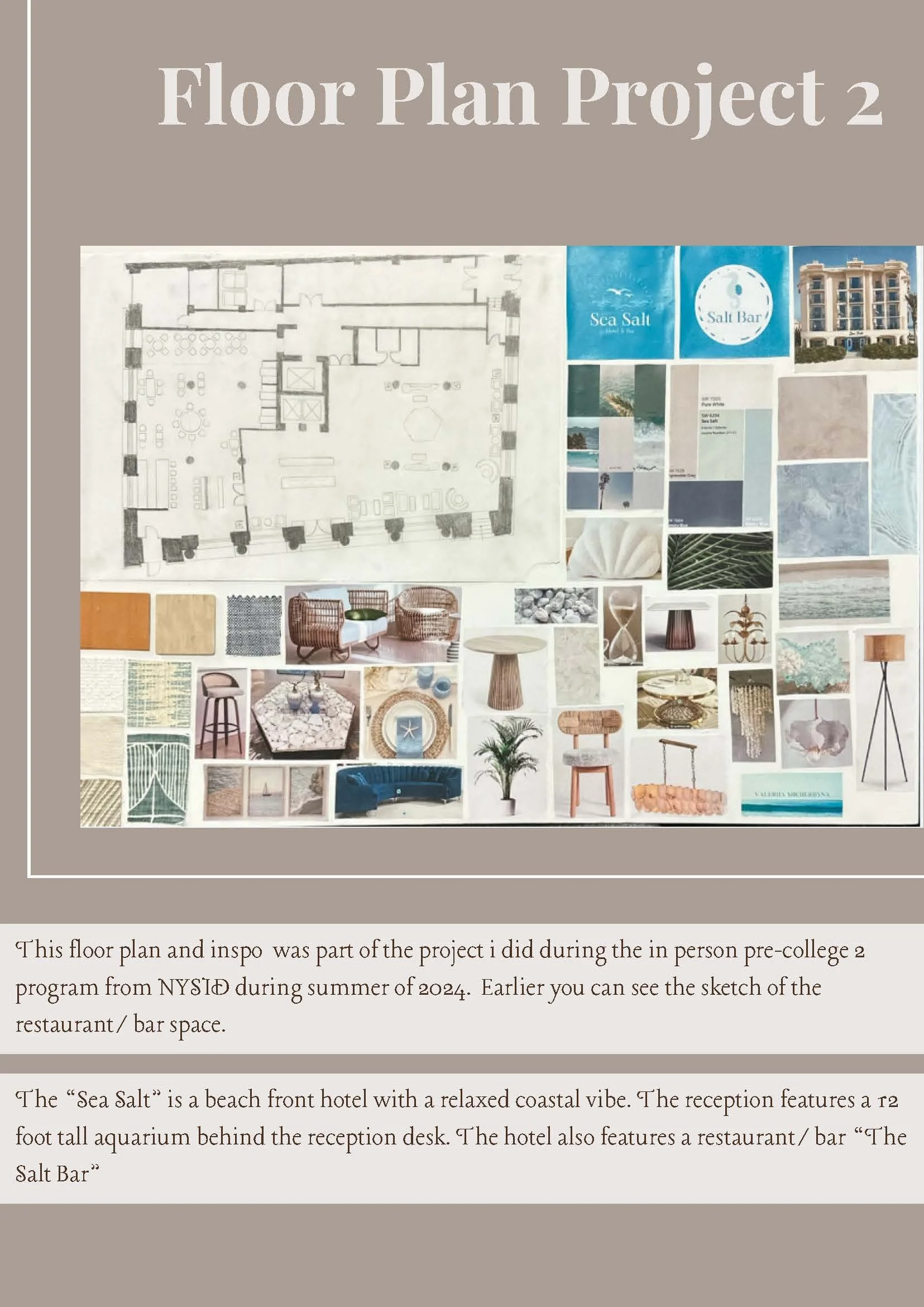
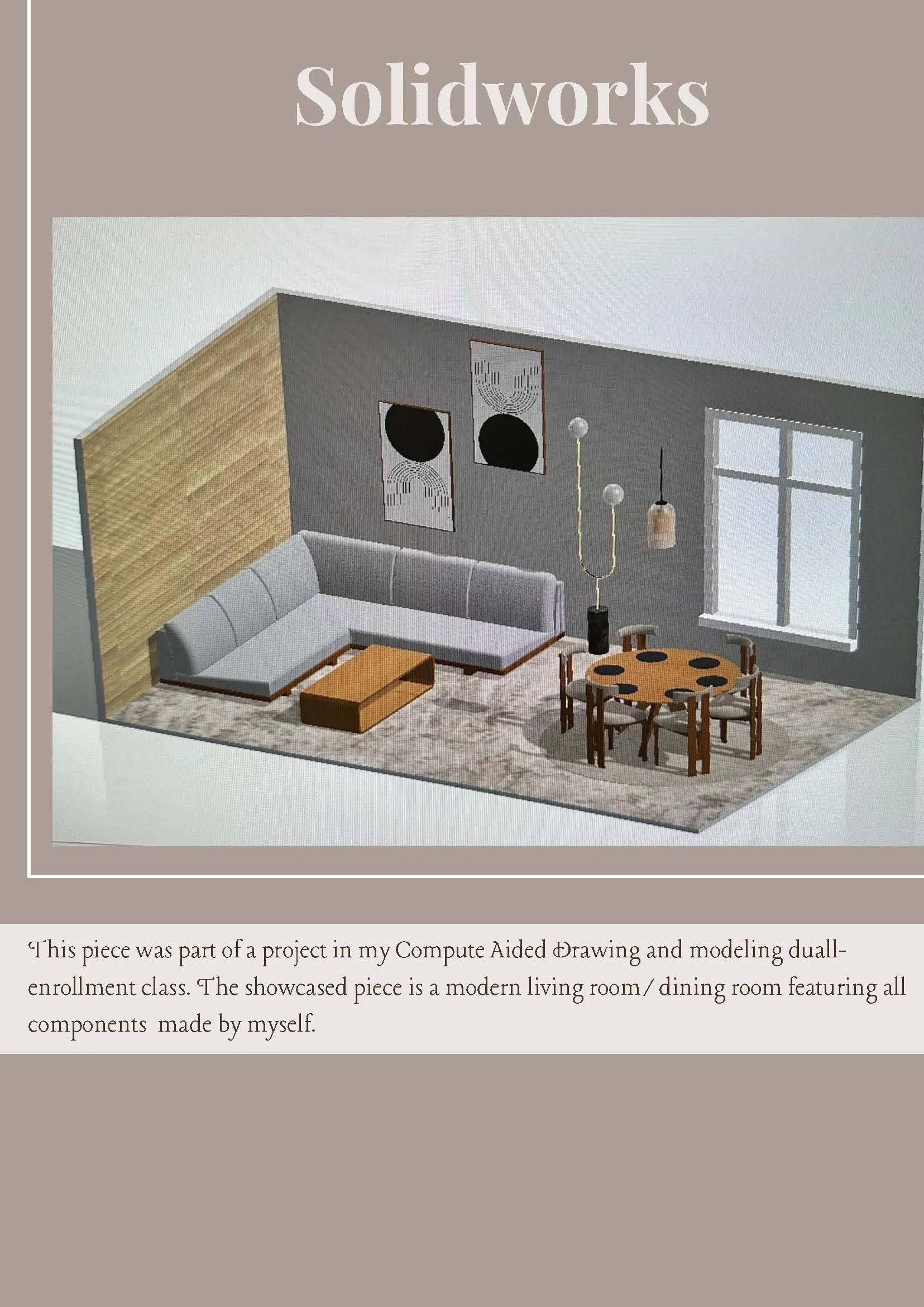

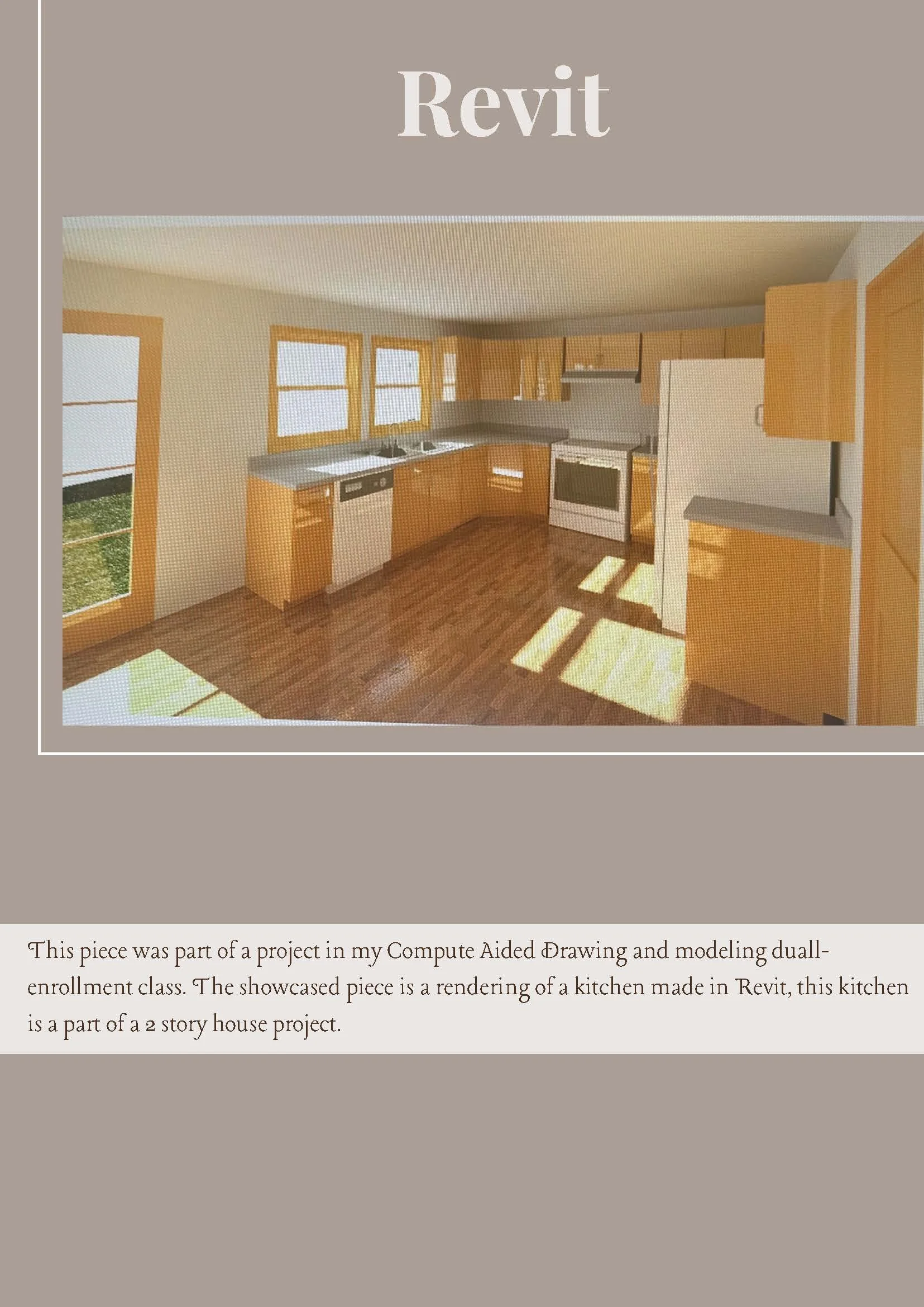

Rendering of Interior Design Portfolio by Valeriia Shcherbyna (BFA)
Tip 3: Don’t Be Afraid of Unfinished Work
Remember that your portfolio is meant to provide examples of your skills and that can also include unfinished work. Let’s say you have a bunch of sketches from your high school classwork or from a drawing club you attend on occasion. They may not be full renderings, but they still show your technical skills and that’s what our admissions team is looking for. You can see in Mac’s portfolio he showcases his entire process to the final edit for both logos. Perfect or complete work shows that you finished the project, but your work in progress can show your evolution as a designer. Dean Harper said that admittance is “based on the strength of [applicants] skills” and portfolios are measured on a sliding scale. This means you should take every opportunity to showcase your skills to give yourself the strongest chance to be accepted into a NYSID program. Don’t convince yourself that your unfinished work isn’t worthy of being included.
Tip 4: Research Examples
One of the best ways to figure out what you should include in your portfolio or how it should look is to research examples. Using Google or your preferred search engine can be a great tool to find inspiration on how to craft your portfolio, so take the time to have a look at what everyone else is doing. Something to keep in mind while doing your research is that an applicant portfolio and a professional portfolio are going to look vastly different. They can even look different at the professional stage, depending on whether you’re applying to work at an interior design firm or starting your own business and trying to attract clients. Applying to our undergraduate or professional-level programs doesn't require you to showcase software or design skills, as we plan to teach you these things while you are enrolled. Instead, focus on technical fine art skills through fine art projects or drawings.
Tip 5: No Previous Experience? Start with the BID or MFA1 Program
Some prospective students may be wondering, “What if I have zero design experience?” and at NYSID that’s okay. We understand some of our prospective students are just discovering interior design and want to learn more or are making a big career change so, we have two programs that remove the barrier of a portfolio and help you build your core fine arts skills. First is the one-year Basic Interior Design (BID) certificate program. This program is a non-degree program that focuses on drawing, design concepts, and design history that builds foundational understanding of technical and aesthetic interior design principles. There is no portfolio requirement, and earned credits can be applied to the Associate in Applied Science (AAS) or Bachelor of Fine Arts (BFA) if you choose to pursue a degree later.
The second option that does not require a portfolio is the Master of Fine Arts (MFA1) program. The three-year MFA1 is a professional-level program for students who already have earned their bachelor's degree, but in a field unrelated to design. No portfolio is required, and this track puts you on the path to a CIDA-accredited degree that prepares you to sit for the NCIDQ exam, the passing of which is one of the most important professional credentials in interior design. In the MFA1, you’ll focus on applying research and analysis to your design concepts and create solutions to real world problems that will amplify your portfolio at graduation. The MFA1 degree conveys deep knowledge of interior design to employers, which is why firms value it.
Want to Consult with NYSID Admissions About Your Academic Path or Portfolio?
You can schedule a portfolio review appointment with our admissions team and consult with them about which program is right for you. Email admissions@nysid.edu to schedule your appointment. Discover NYSID’s academic programs.
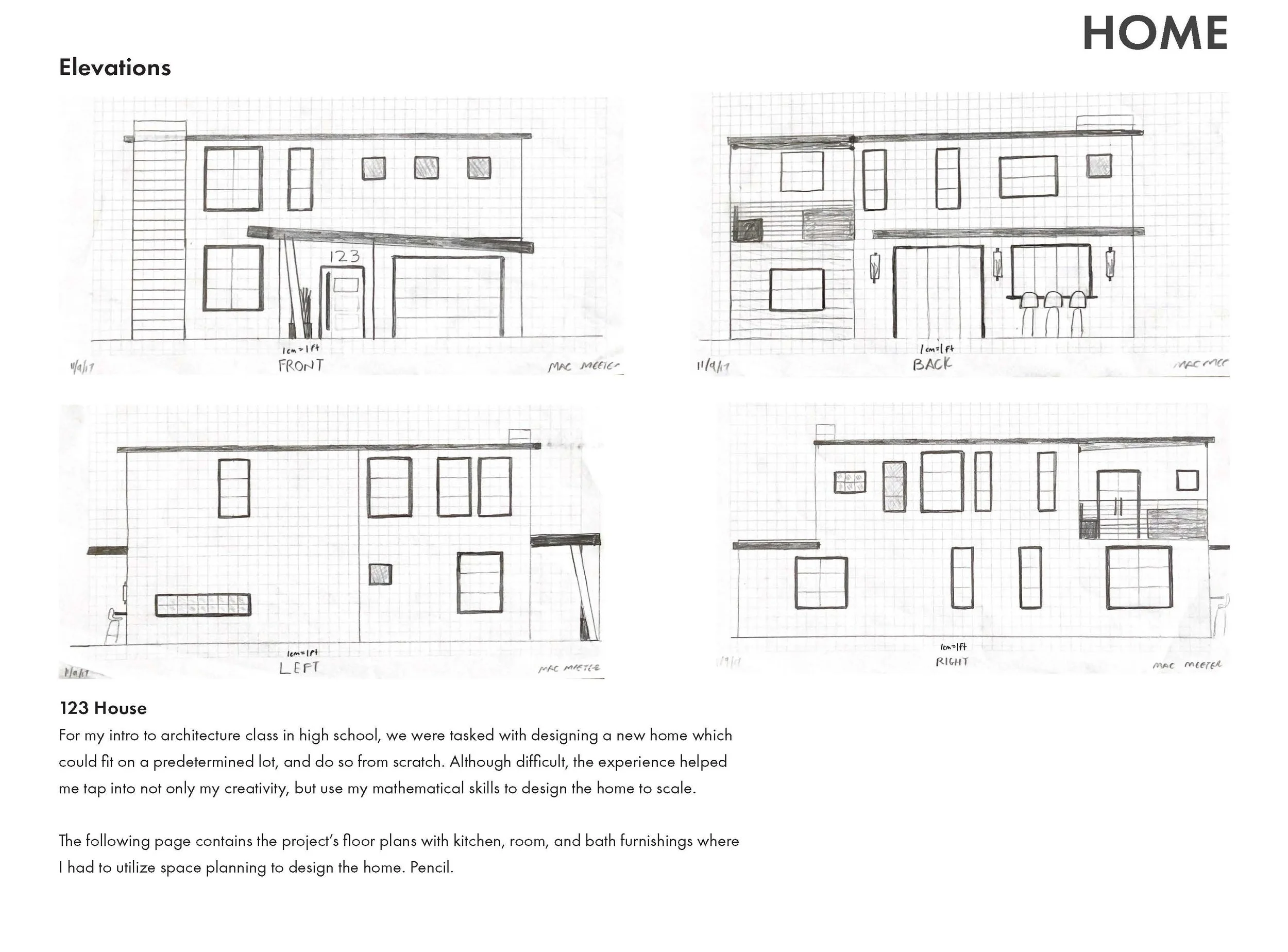
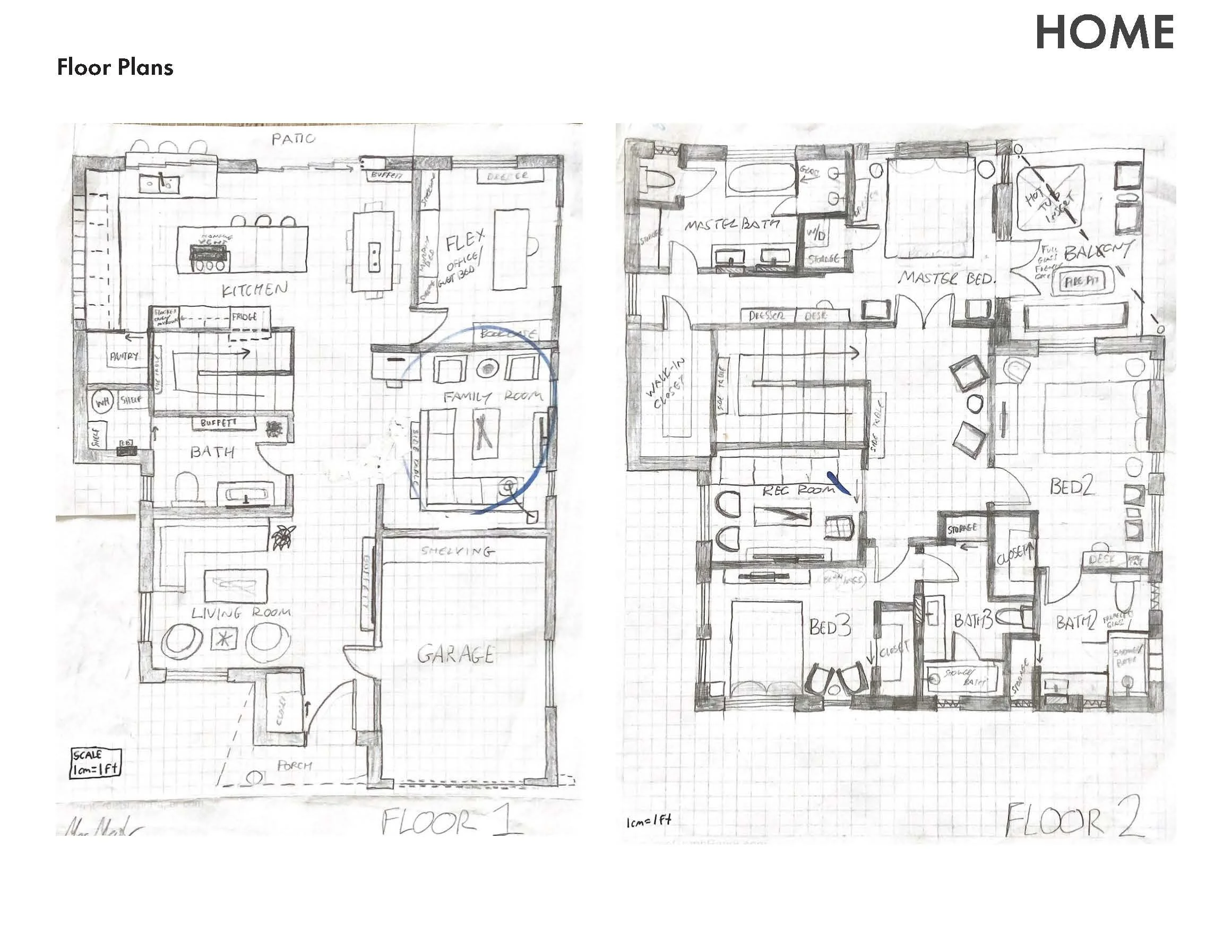
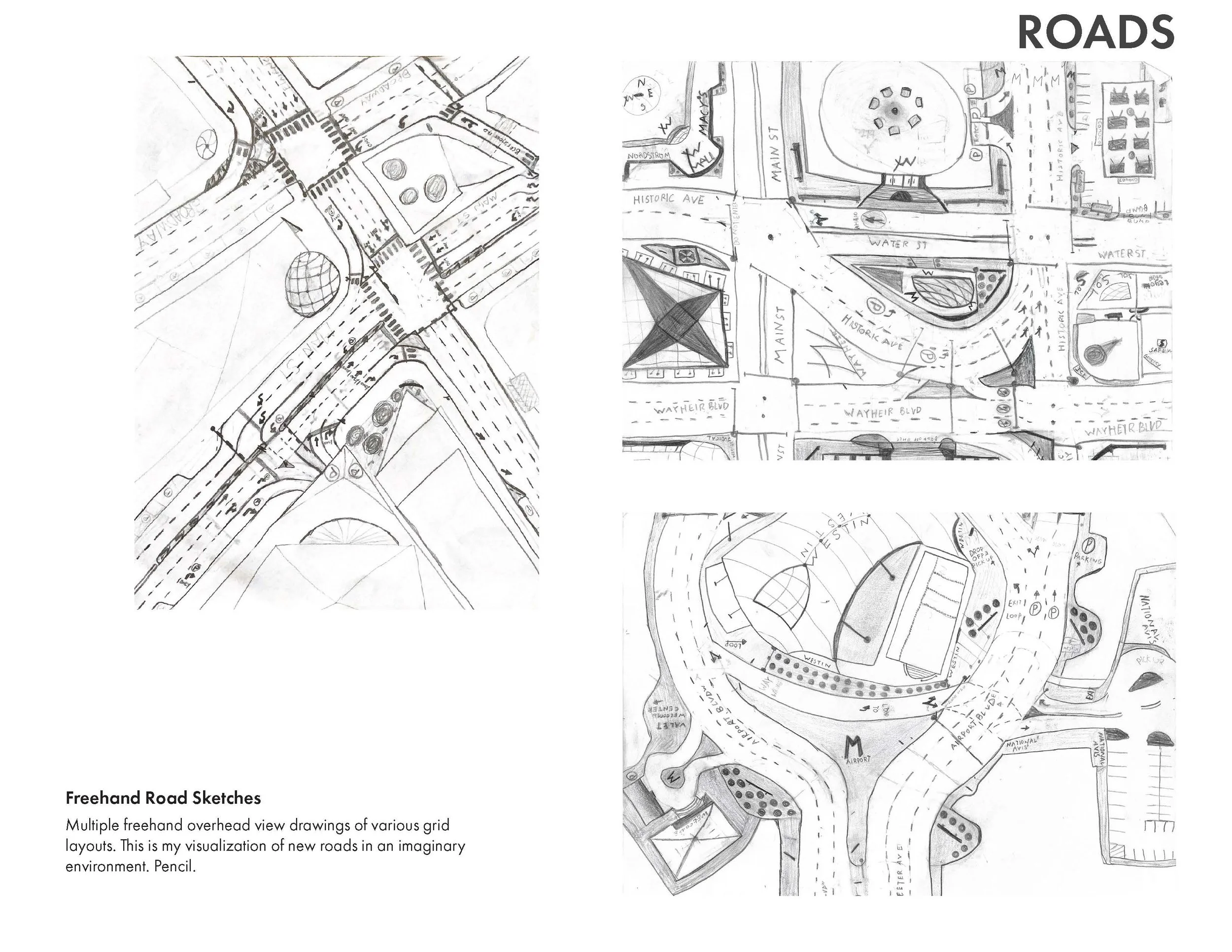

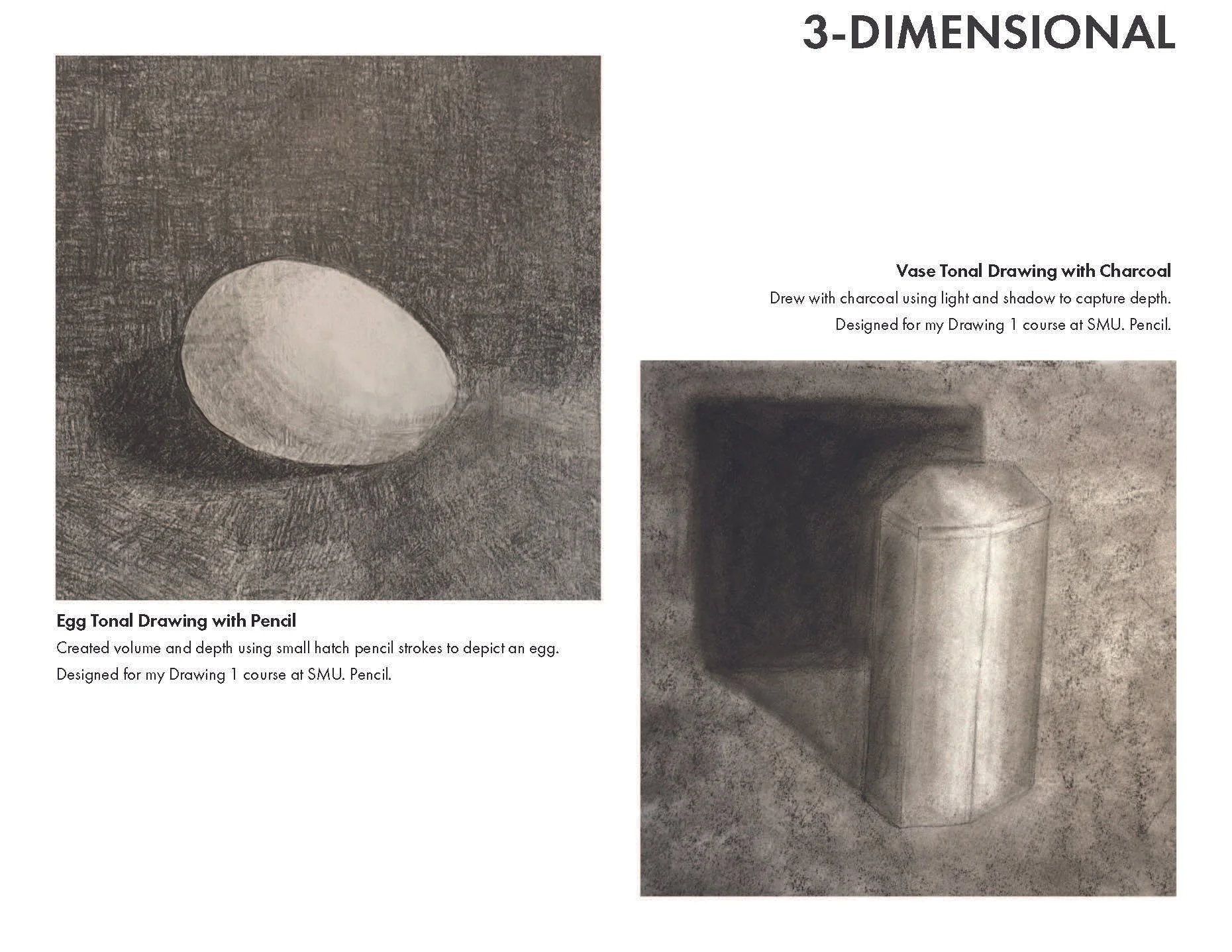
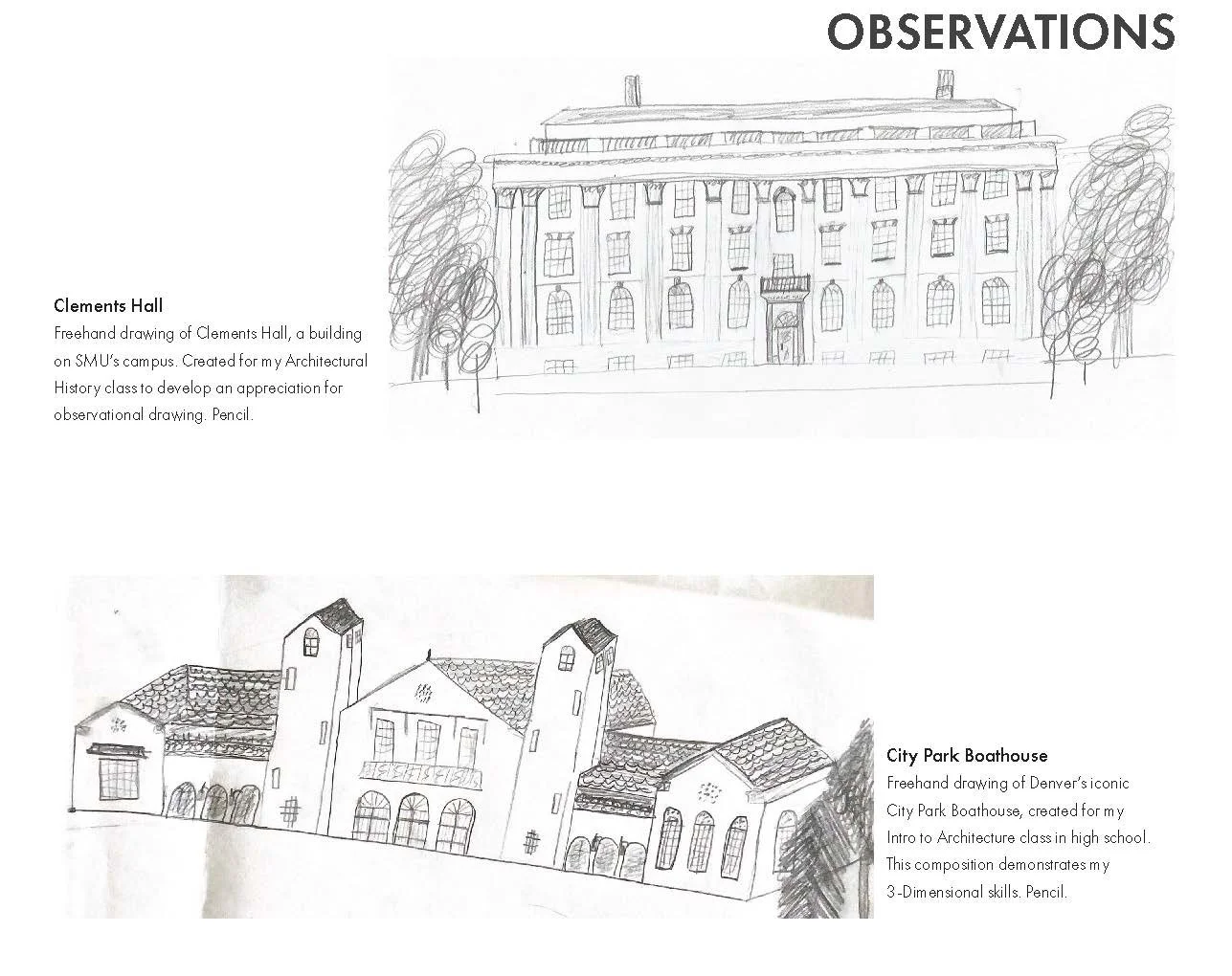
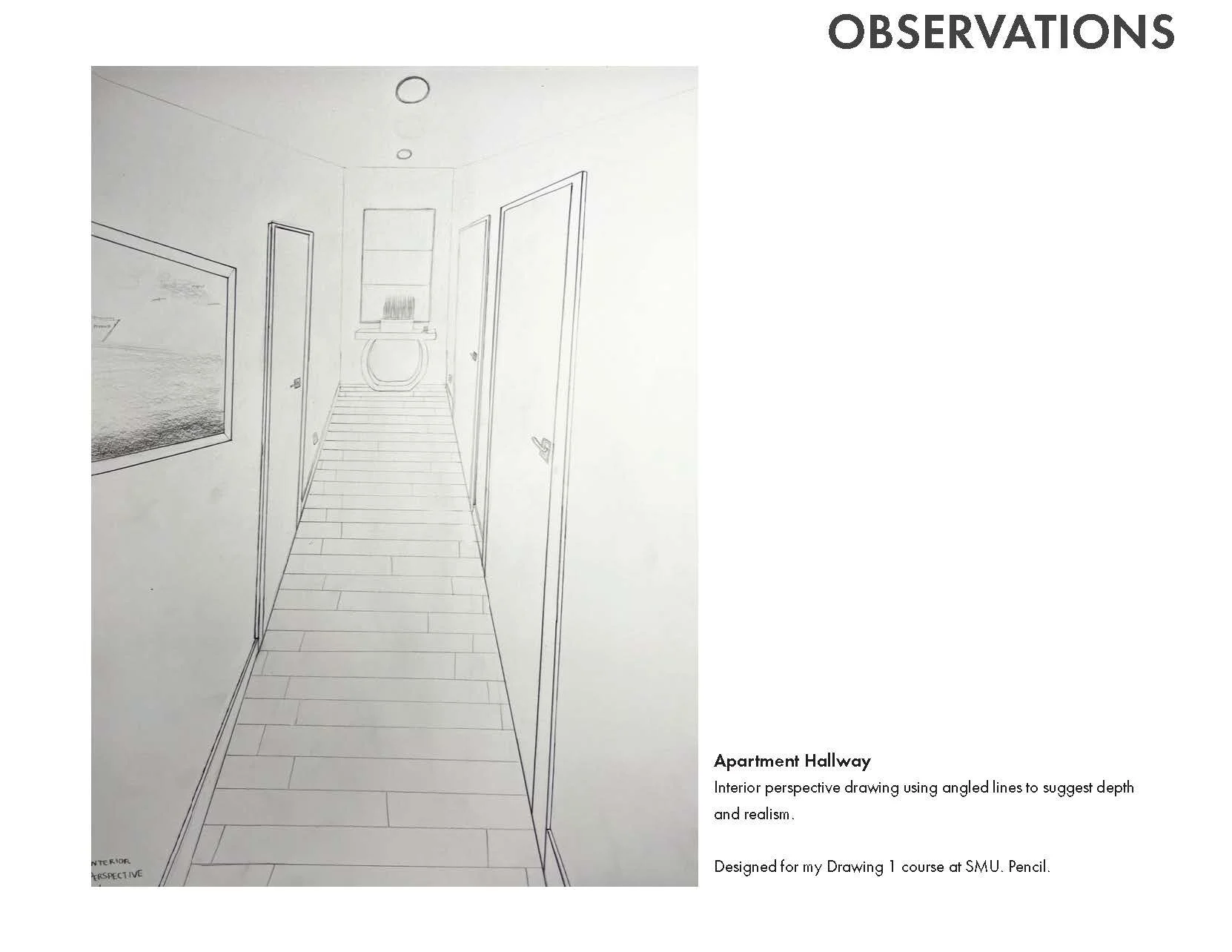
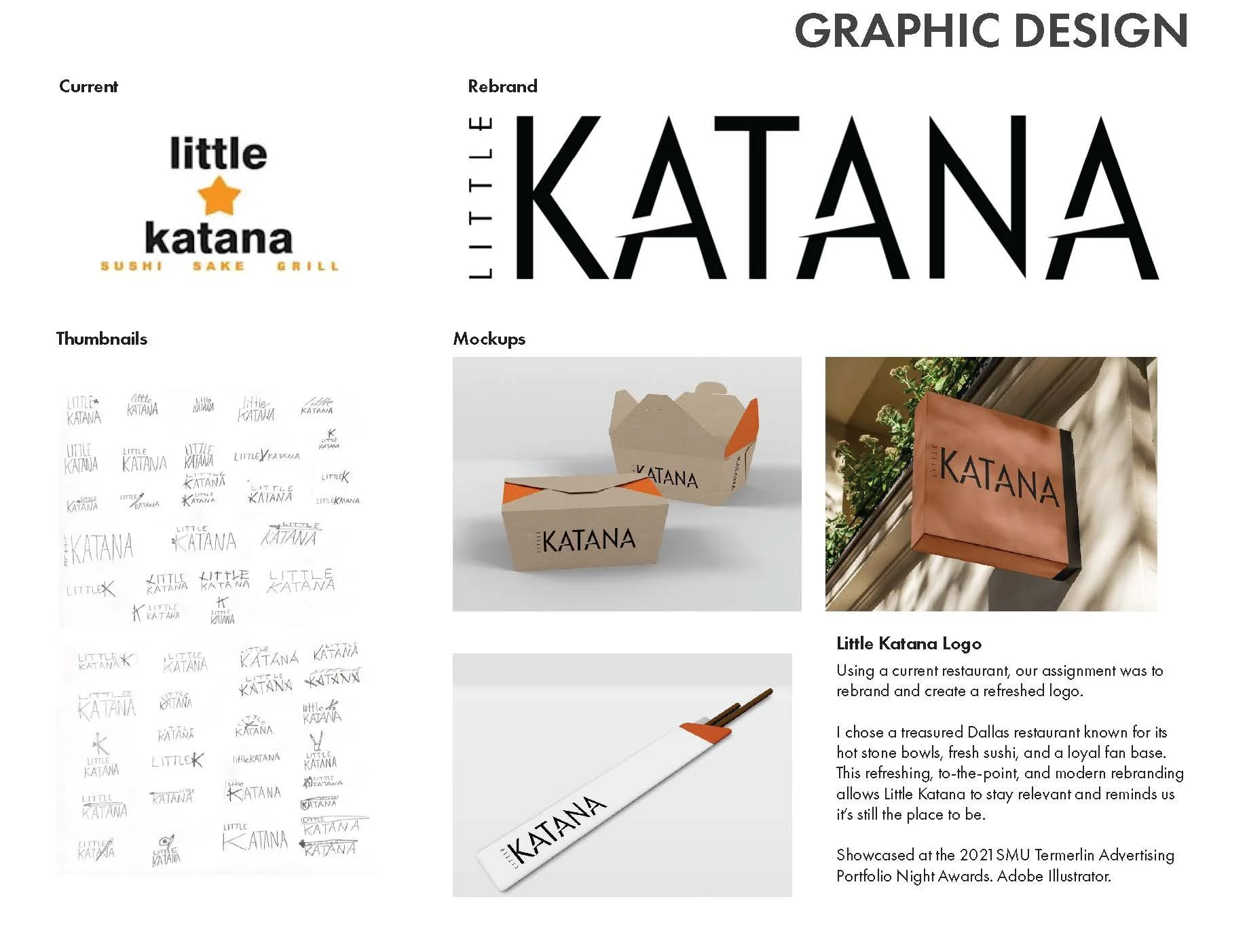
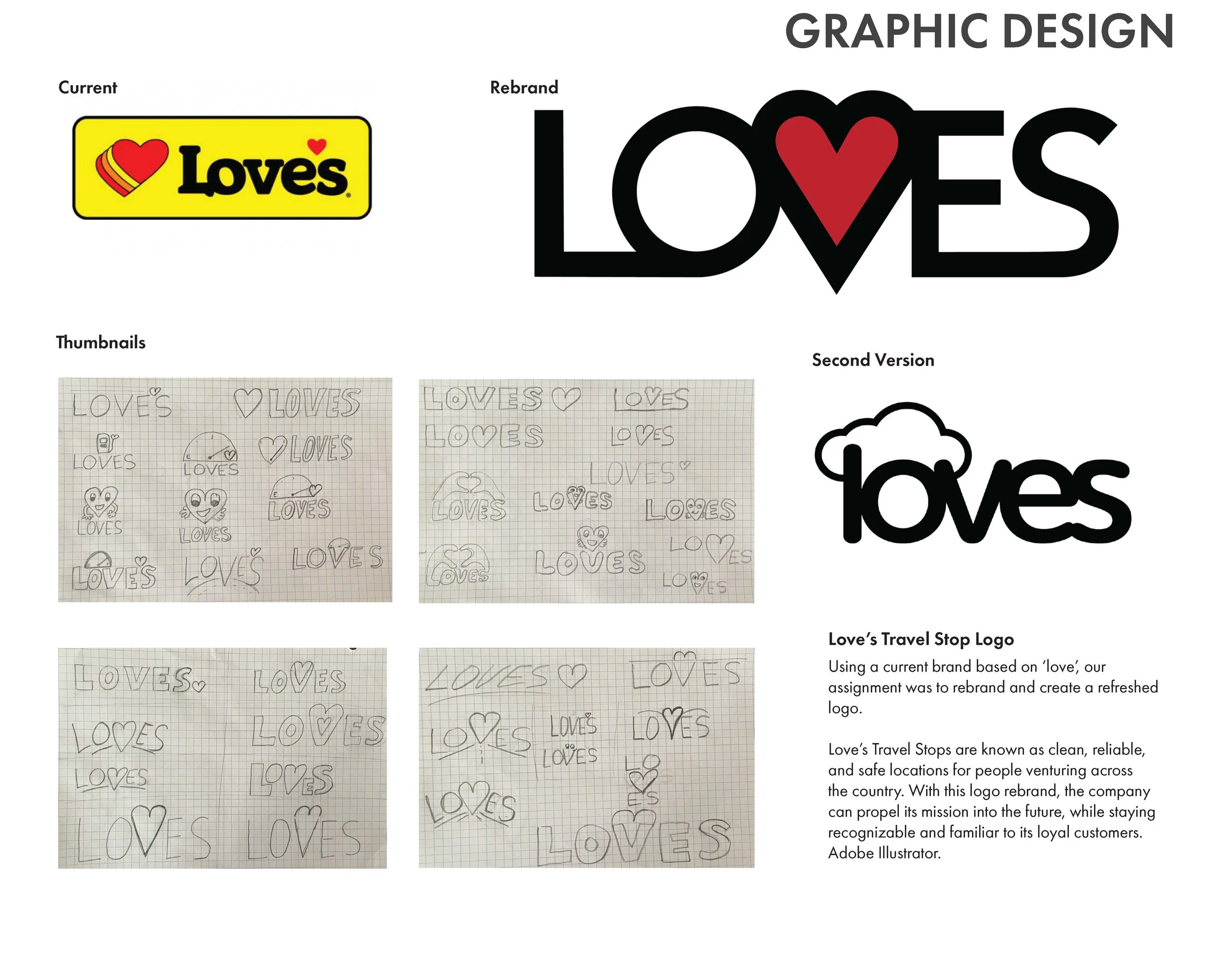
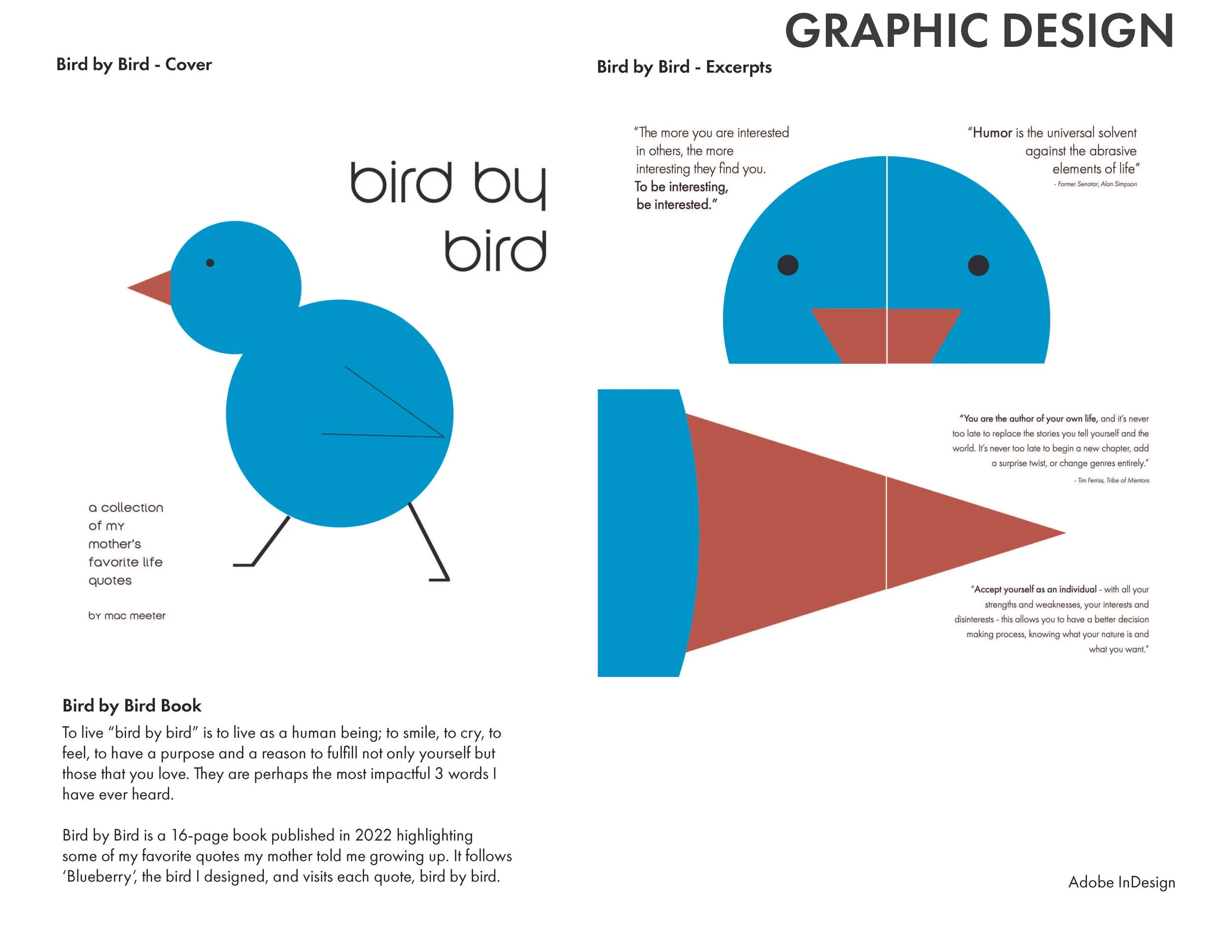
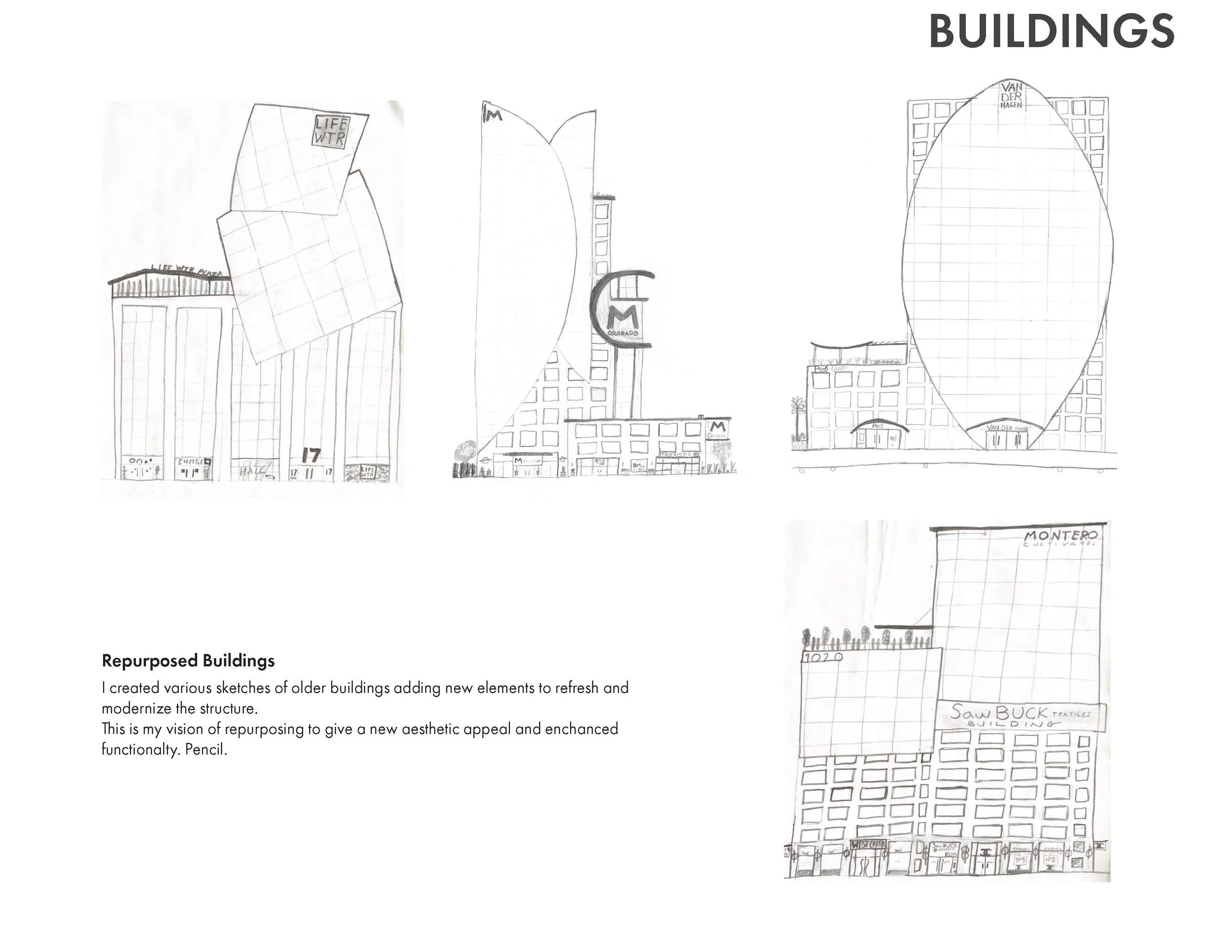
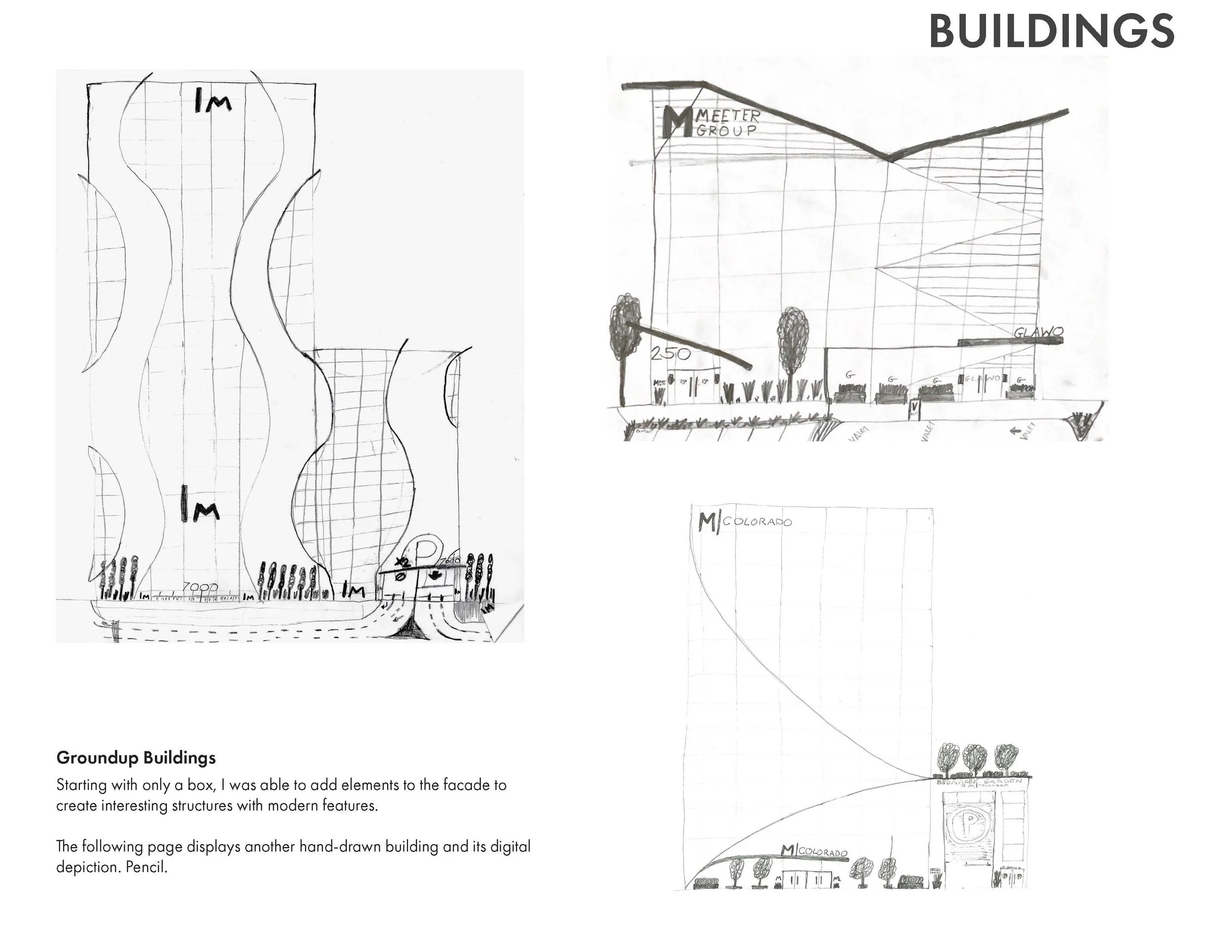
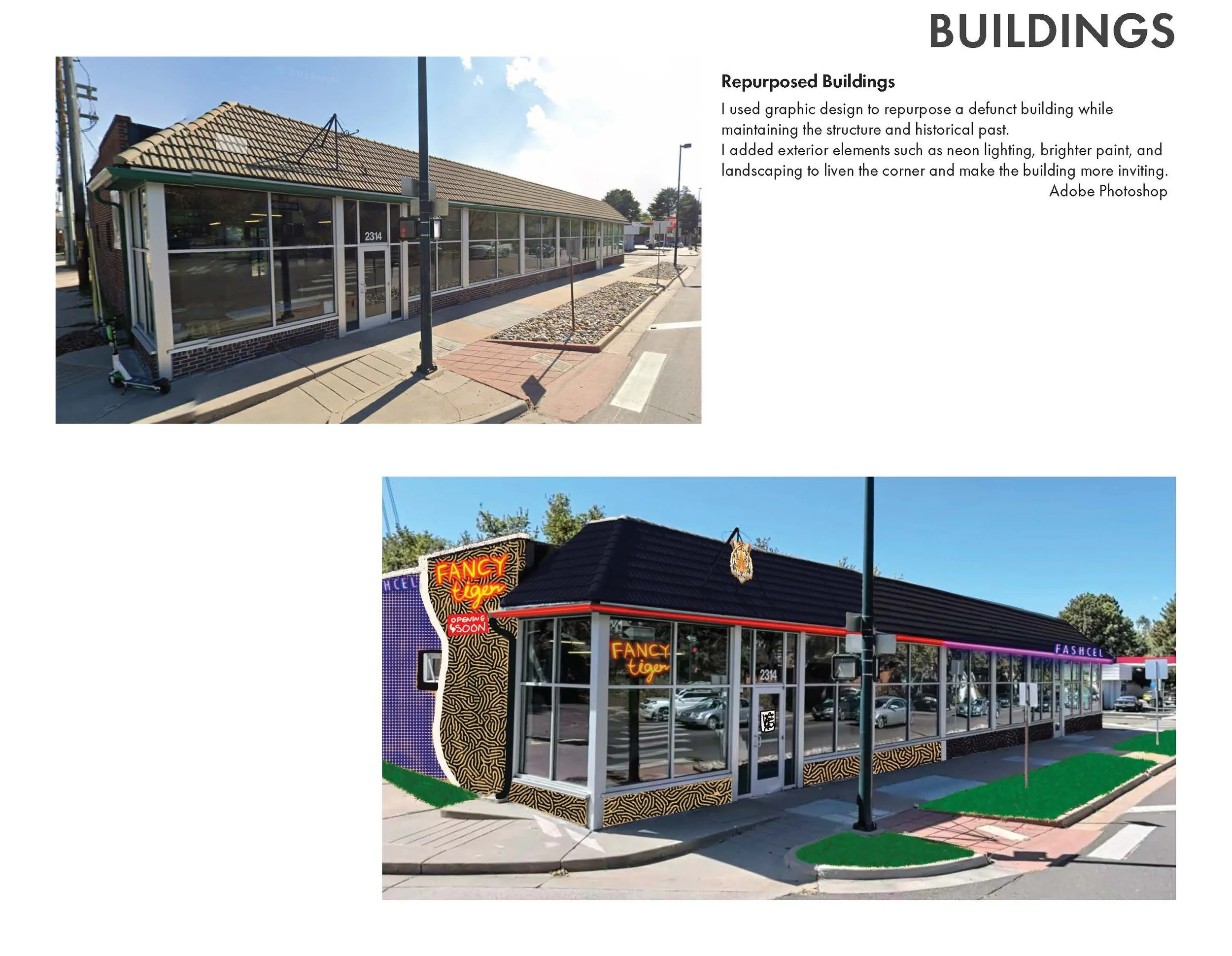
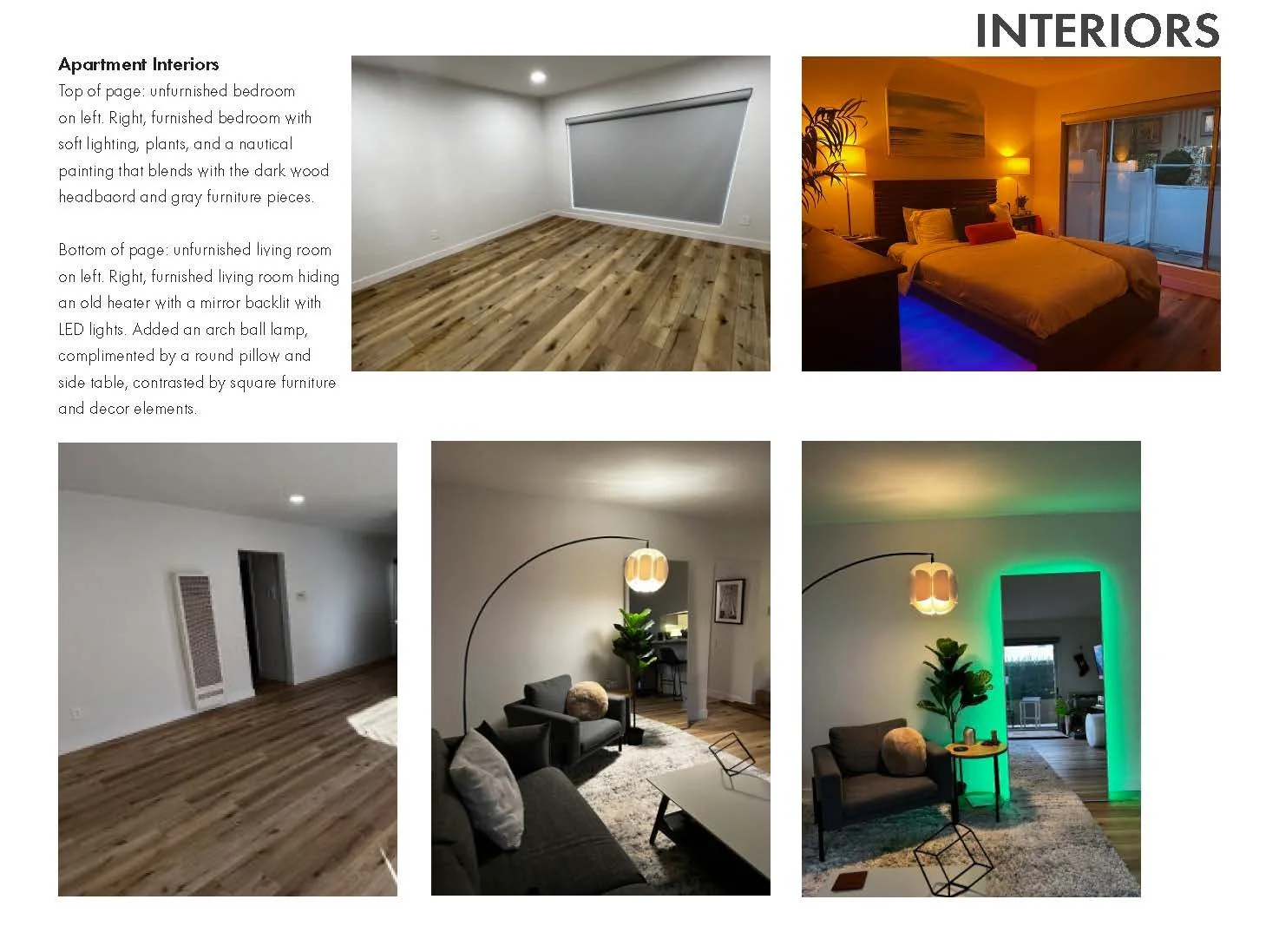
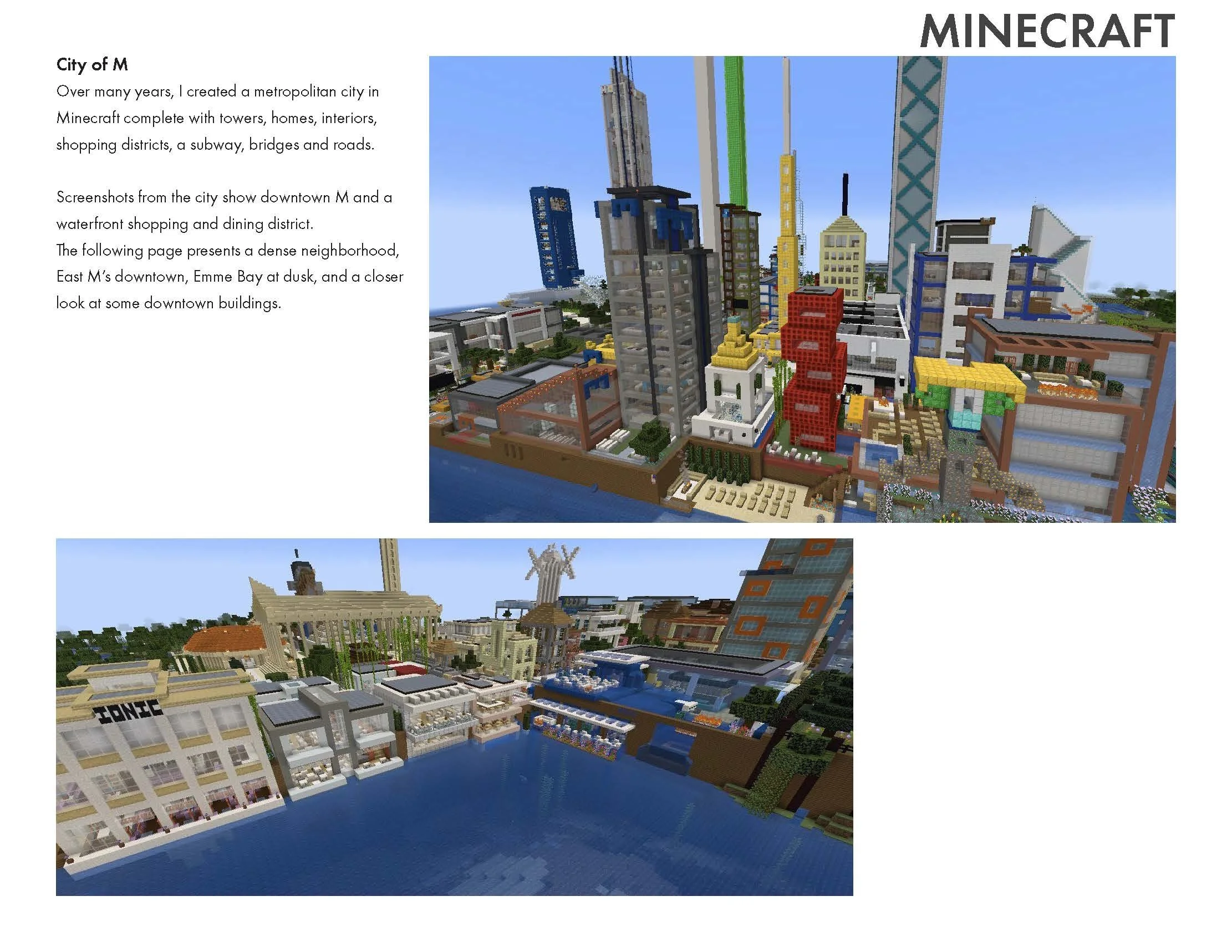

Rendering of Design Portfolio by Mac Meeter (AAS)