
Anthony Samaha Is Appointed Director of NYSID’s Unique Master of Professional Studies in Digital Practice Management
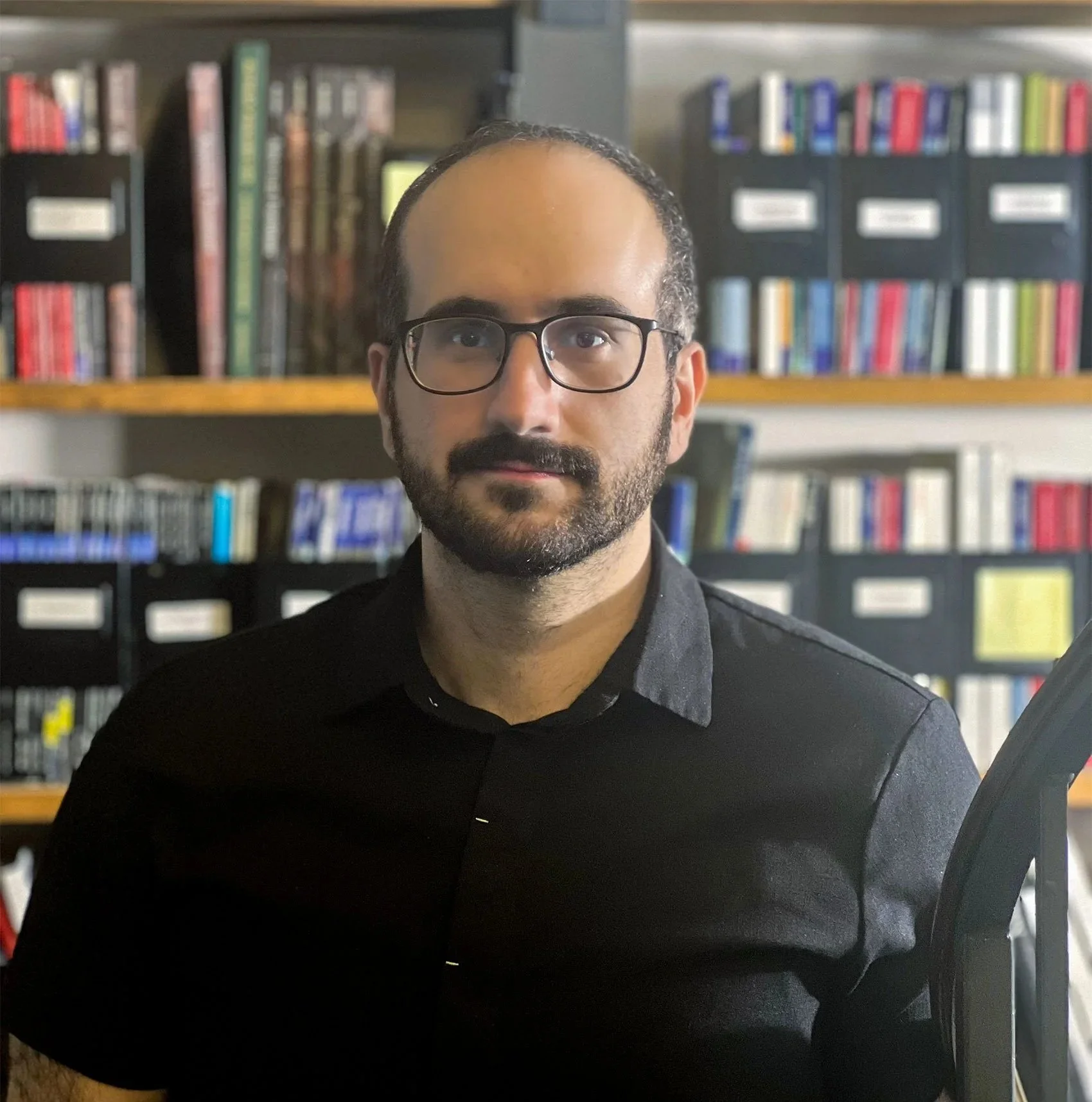
Anthony Samaha, LEED GA, digital practice manager and associate at Perkins&Will in New York, and an award-winning design technologist, has been appointed director of the New York School of Interior Design’s Master of Professional Studies in Digital Practice Management (MPSM). NYSID’s one-year, post-professional MPSM has been approved by New York State, and is the only MPS program of its kind in the country. NYSID developed the MPSM to meet the growing demand from design and architecture firms for technology specialists at every level, from design and architectural technologists, to digital practice managers to directors of digital practice teams. Taught in the evenings and on weekends, the program is intended for practicing professionals with an undergraduate or graduate degree in architecture, interior design, or a related field. Says Samaha, “No matter where you are in your career trajectory, this program will prepare you to lead your company’s design technology practice, a practical and managerial skill set that speeds advancement and brings higher compensation.” This master’s degree program is a strong investment and a great way for designers to future-proof their careers and get ahead of the difficult-to-predict emergent workflows brought by generative AI and other technologies.
Samaha has an MS in Architectural Technologies from the Southern California Institute of Architecture (SCI-Arc) and a BA in Architecture from New Jersey Institute of Technology. On teams with peers, he has won important innovation grants, such as the Google Artist + Machine Intelligence Grant with a team led by Casey Rehm, and two Perkins &Will Innovation Incubator Awards, which have allowed him to conduct research on everything from how robots can decrease the number of site visits architects must make, to the embodied carbon use of different software workflows and practices. He was the winner of the AECTech+ Boston Hackathon. He has worked as both an architectural designer (at Hill West Architects and Curtis + Ginsberg Architects) and as a digital practice manager/lead (at Perkins&Will and Curtis + Ginsberg Architects), and he understands the day-to-day demands on architects and interior designers from multiple perspectives. Samaha is also an experienced educator, having taught design technology at the university level. Says Samaha, “My goal in teaching is to help designers find good footing in an emerging field of design technologies. I take an empathetic approach to helping students define what they want to look at for their future, and develop the infrastructure to support that growth.”
What Does Digital Practice Management Entail?
Samaha asserts that one of the things that makes digital practice management so exciting is that it’s constantly evolving, especially in his current role at Perkins &Will, a company that’s on the cutting edge of design technology innovation and already has around 40 digital practice staff working at the firm. As a result of the rapid evolution of design technology, digital practice management is developing into a career track in architecture and design firms; it is the strategic use of digital technologies, software, and standardized workflows—centered on BIM (Building Information Modeling)—to improve design efficiency, project documentation, and team coordination. “At its most basic level, good digital technology management means not wasting time,” says Samaha. “You can make a huge difference with something as simple as file management. By using procedures developed at our firmwide level, we began automating tasks that don’t require practice expertise. After automating the time-sinking clerical work of submittal filing for tasks that need to be done during the construction phase, our mediations have saved projects $15,000 to $50,000 per project, depending on the scale of the project. We can keep the firm from wasting half a designer’s worth of salary on downloading files. We take the mundane work out of the process so designers can fulfill their ambitions.” Samaha explains that at all levels of digital practice management, practitioners are the people researching and investigating the outer edge of innovation, accessing, pricing, and bringing new technologies into their companies. They are creating customized software for clients, and constructing workflows that standardize new concepts such as the ethical and efficient use of AI. Being a digital practice manager is also about teaching everyone in your studio “a way of thinking that goes beyond clicking buttons,” says Samaha. “We train people to understand that our systems represent architectural forms as data sets.”
What Sets NYSID’s Program Apart
There are several master's degree programs in architectural design & technology, but only one MPS in Digital Practice Management (and design technologies). NYSID’s program is designed for practicing interior designers and architects. It’s maximally flexible and efficient for working professionals who already have a strong foundation in architecture or design, who want to complete their degree in one year and transform their careers. The instructors are all practicing design technologists with different expertises, from research practices, to systems integration, to the optimization of design option models for cost estimation, to visualization for rapid iteration. The class size is small, which allows Samaha and other instructors to be nimble and responsive to technology as it rapidly changes. Samaha envisions curating a selection of industry events and hackathons that he will recommend to his students, and overseeing a capstone project that produces real innovations that can be applied to industry.
Get More Information About the MPSM
NYSID is taking applications for Fall 2026. If you are interested in more information, reach out to MPSM Director Anthony Samaha at Anthony.Samaha@nysid.edu. Learn more and find the application for the program HERE. Admissions are rolling.
All students may be considered for institutional scholarships by filing the scholarship application during the admissions process.